
Free on-site gate assessment - hinges, posts, and your LiftMaster or Nice gate operator checked before anything is quoted
The assessment is free and the quote is the invoice.

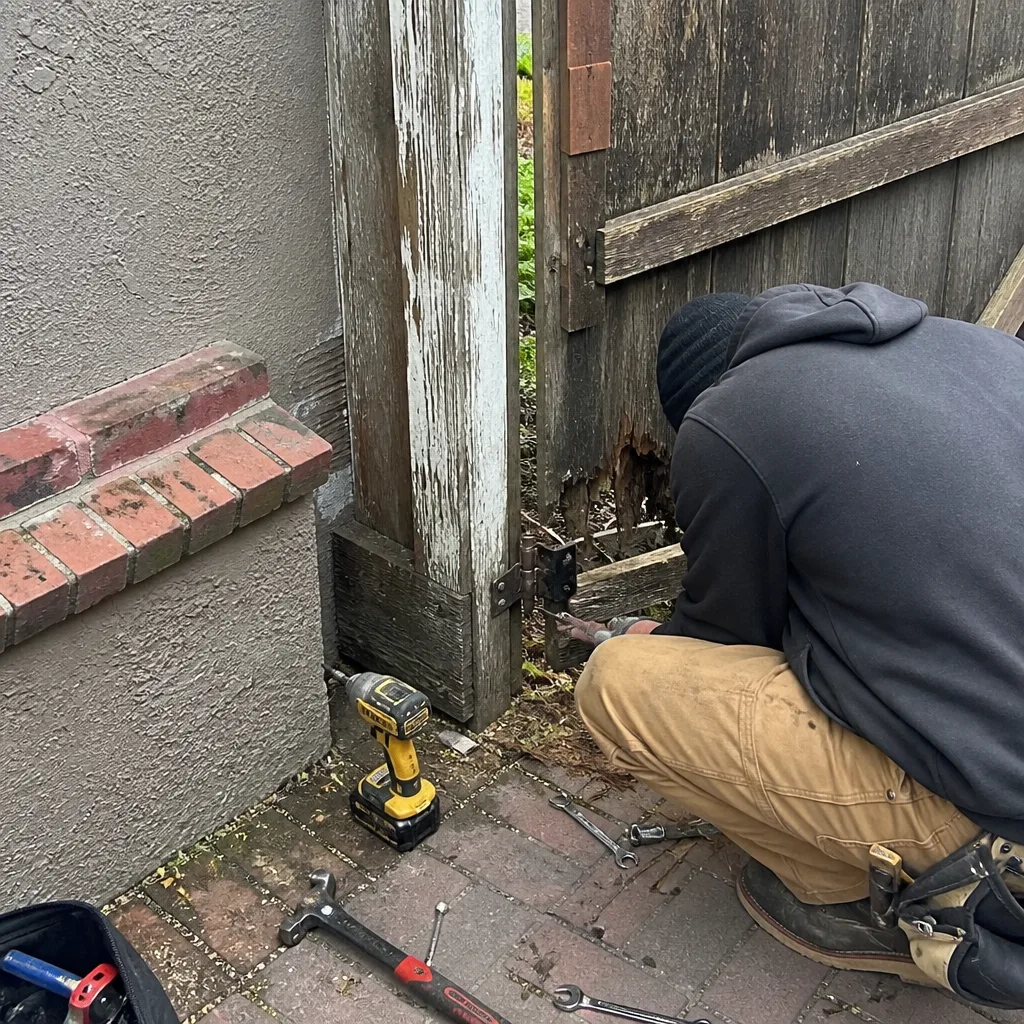 Before
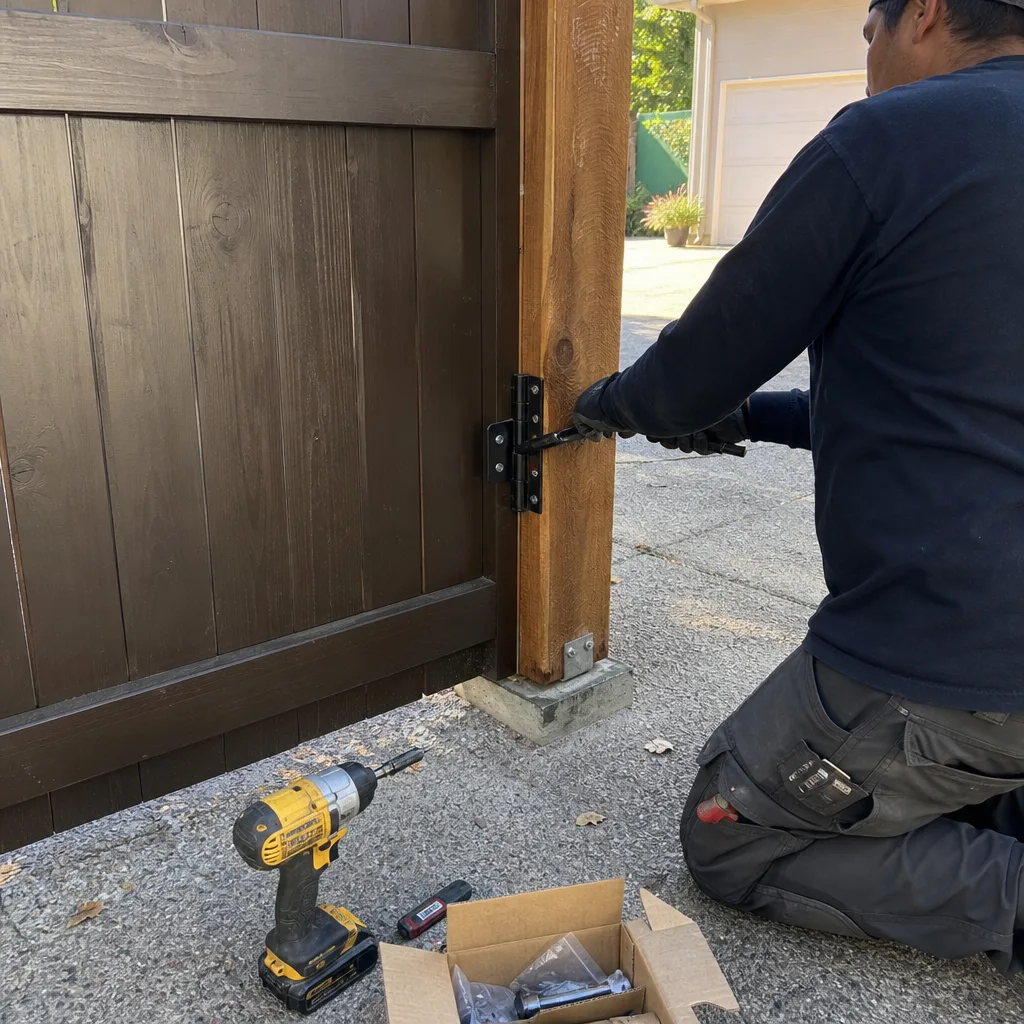 After
After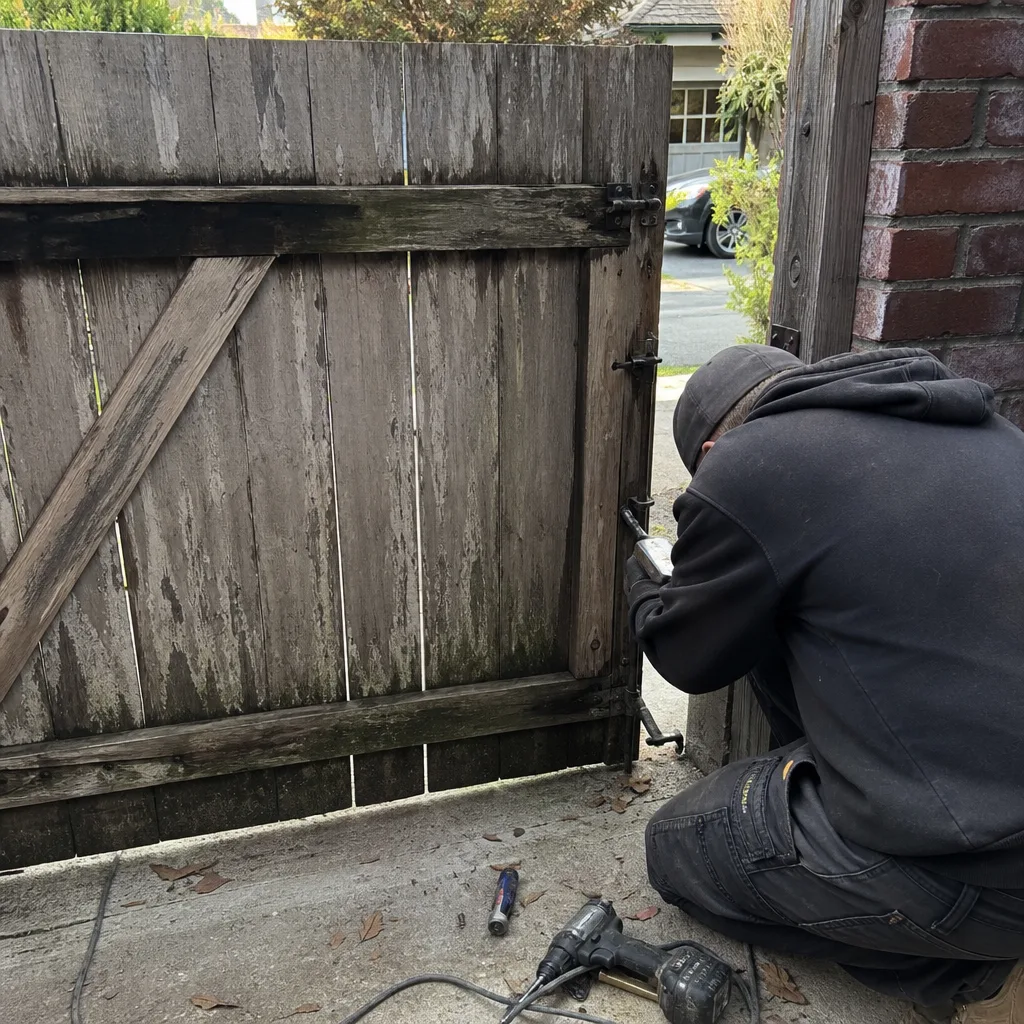 Before
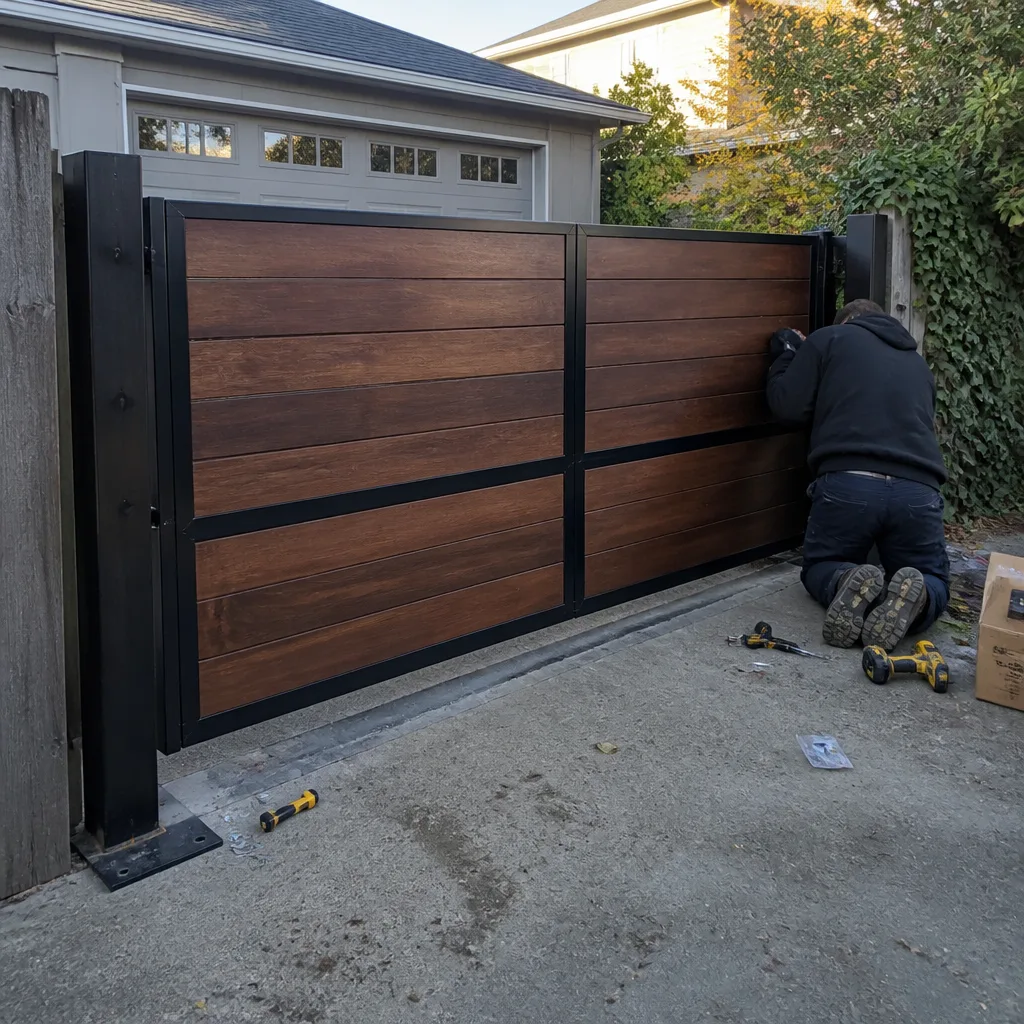 After
After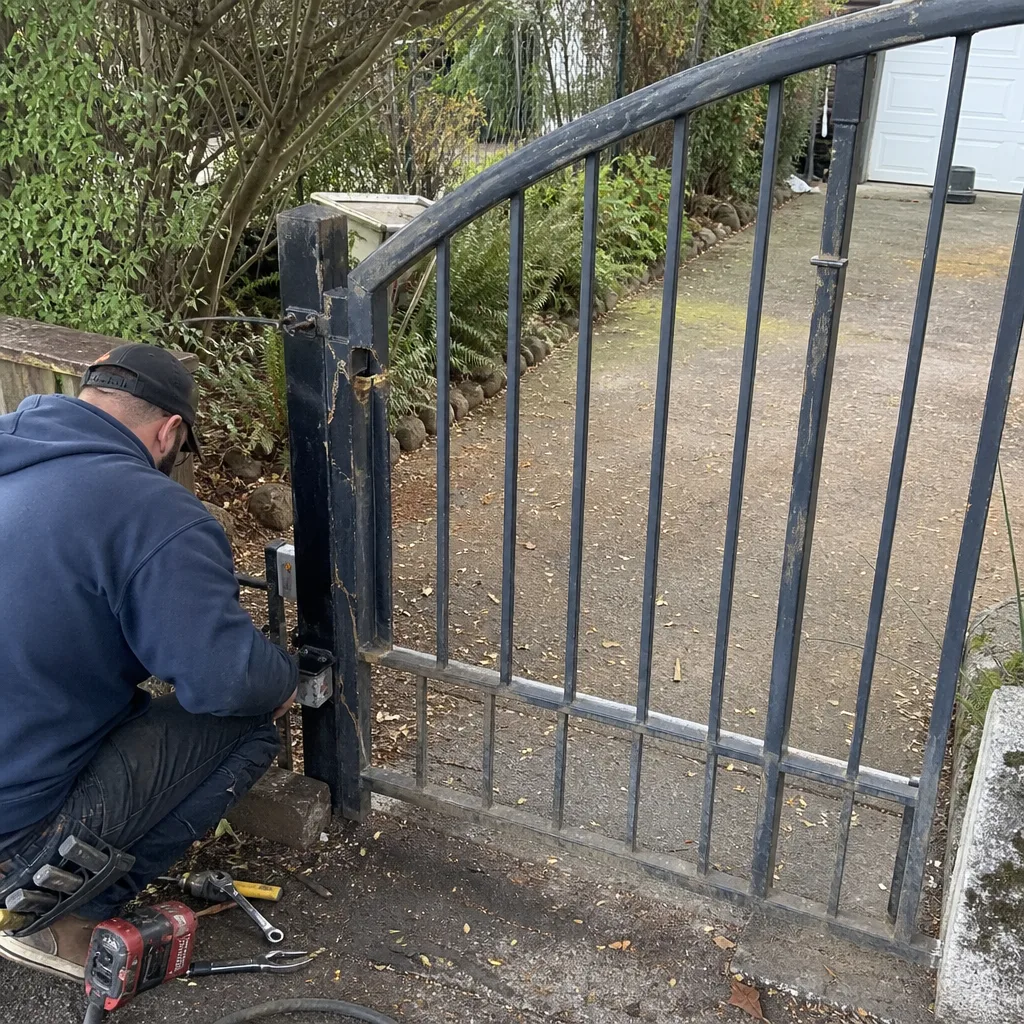 Before
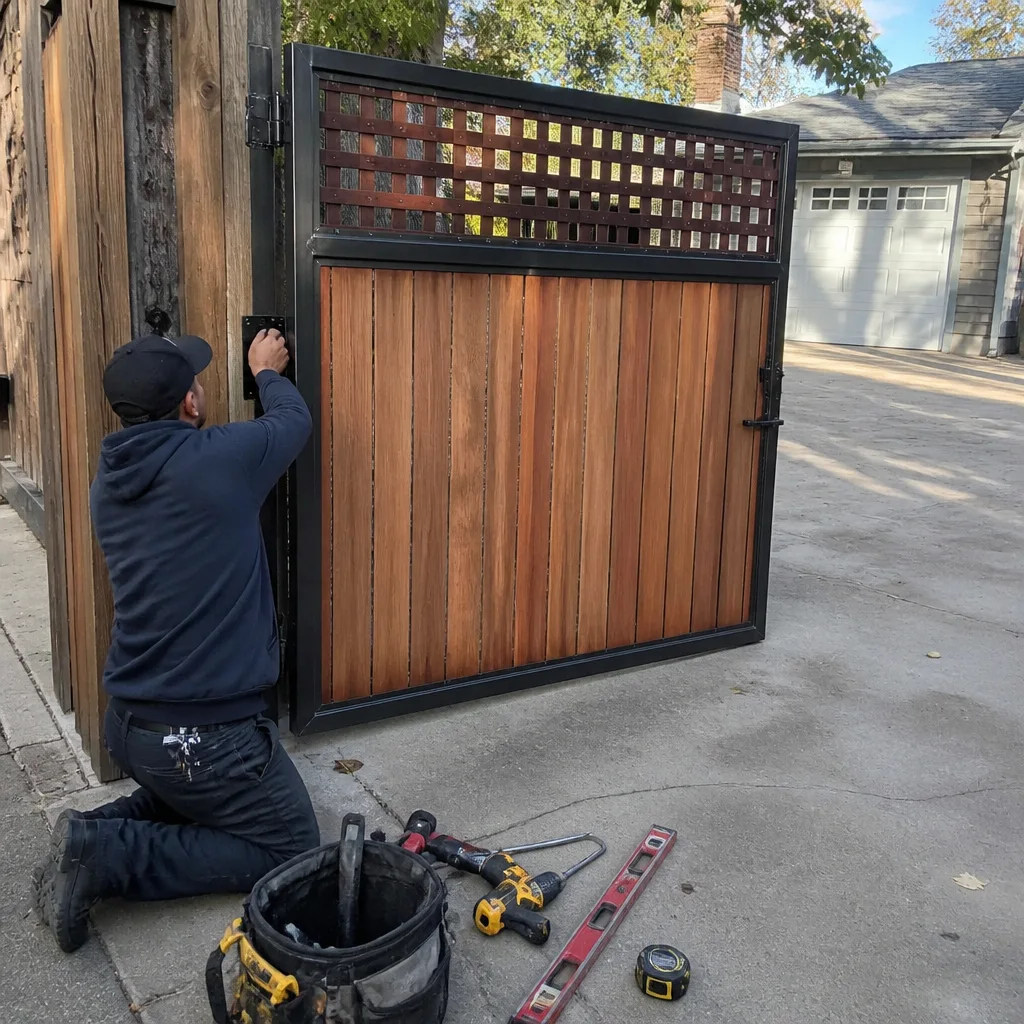 After
AfterGhost Controls Access Control Installation: The Berkeley Owner’s Guide
We stock and install Ghost Controls-compatible access control hardware in Berkeley, with most residential keypad, remote receiver, or exit sensor installations running between $340 and $780 depending on the model series and whether new low-voltage wiring is needed. Same-day service is available when the part is on our truck, which it usually is for the TSS1, AXWK, and DTP1 series that dominate Berkeley’s hillside driveways. Most owners first notice trouble when the gate stops responding to remotes but still works from the manual button, or when the keypad accepts a code but won’t trigger the opener - both point to a communication breakdown between the access control device and the Ghost Controls control board.
Which Ghost Controls Models This Applies To
Ghost Controls organizes its access control ecosystem around three main series, and matching the right hardware matters because voltage requirements and communication protocols differ.
- TSS1 Series (Standard Duty): The TSS1XP, TSS1X, and TSS1 use a 12-volt accessory circuit. Keypads and exit wands plug directly into the control board’s ACC terminal block. If you’re reading a part number starting with “TSS1,” your access control device is likely running on that 12V bus.
- AXWK (Heavy Duty / Solar-Ready): The AXWK and AXLV models use a 24-volt accessory circuit with a different terminal configuration. The AXWK’s control board has dedicated A and B accessory ports that won’t accept standard TSS1 plugs without an adapter harness, which we keep on the truck.
- DTP1 (Dual Gate): Dual installations add a slave board. Access control devices wire to the master unit only, but a failed slave board can masquerade as an access control problem when it’s actually a communication fault between boards.
To identify your series, check the silver label on the control box lid or the motor housing. The model line is printed in bold above the serial number. For access control specifically, we stock both OEM Ghost Controls devices and a commercial-grade aftermarket line that meets the same IP65 weatherproofing standard. The OEM remote receiver (GRF-1) pairs more seamlessly with Ghost Controls transmitters, but the aftermarket equivalent we carry has a broader frequency range that plays nicer with mixed-brand environments - common in Berkeley where previous owners may have installed Mighty Mule or DoorKing remotes.
Signs Your Ghost Controls Access Control Installation Is Failing
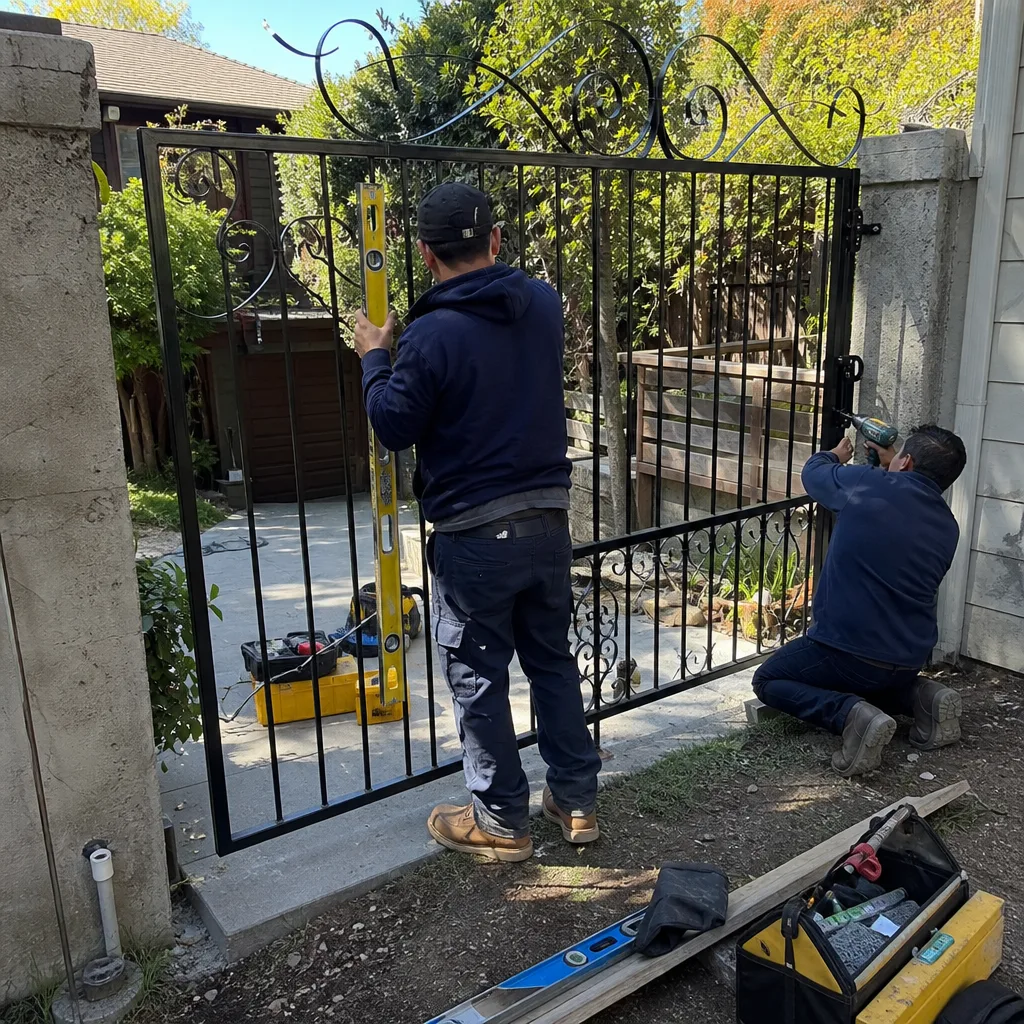
- Remote works intermittently only in certain weather. Moisture intrusion in the receiver antenna or control board corrosion causes signal dropouts during Berkeley’s marine layer mornings. We see this most in North Berkeley hills installations where fog sits until noon.
- Keypad lights up and accepts code, but gate doesn’t move. This typically means the keypad’s output relay has failed closed. The keypad thinks it’s sending the open command; the control board never receives it. Voltage testing at the ACC terminals confirms it in about thirty seconds.
- Exit sensor triggers randomly or not at all. Ghost Controls exit wands (the DXS or vehicle sensor loop) fail when the burial cable gets nicked by gardening activity or when the sensitivity drifts due to mineral buildup in Berkeley’s clay-heavy soil.
- Gate opens from inside the house but not from the street. Points to a range or antenna issue on the external receiver, or interference from a newer WiFi mesh system operating in the same 433 MHz band that Ghost Controls remotes use.
- Multiple remotes fail simultaneously after a power event. A surge through the low-voltage wiring can fry the receiver’s decoder chip. Berkeley’s older overhead utility infrastructure in the Elmwood and Claremont neighborhoods makes this more common than you’d expect.
 Before
 After
AfterReplacement Cost & What’s Included
| Service | Typical Range in Berkeley |
|---|---|
| Keypad replacement (wired, single-gate) | $340 - $520 |
| Remote receiver replacement with reprogramming | $280 - $440 |
| Exit sensor / wand replacement with new burial cable | $420 - $780 |
| Full access control upgrade (keypad + receiver + exit sensor) | $890 - $1,340 |
What drives the range: distance from the control board to the keypad location (conduit runs through Berkeley’s mature landscaping get interesting), whether we can reuse existing low-voltage wiring or need to pull new 18/2 burial cable, and if the original installer left any documentation. Under Haven Standard Clause 1, we hand you a written price before touching anything. That price includes the device, labor, programming, and testing. We also photograph the wiring before and after, and leave you with that record. Our 365-Day Done Right Promise covers the installation and the device function - if the keypad goes dark or the receiver loses range within a year, we fix it at no charge.
DIY or Call Us?
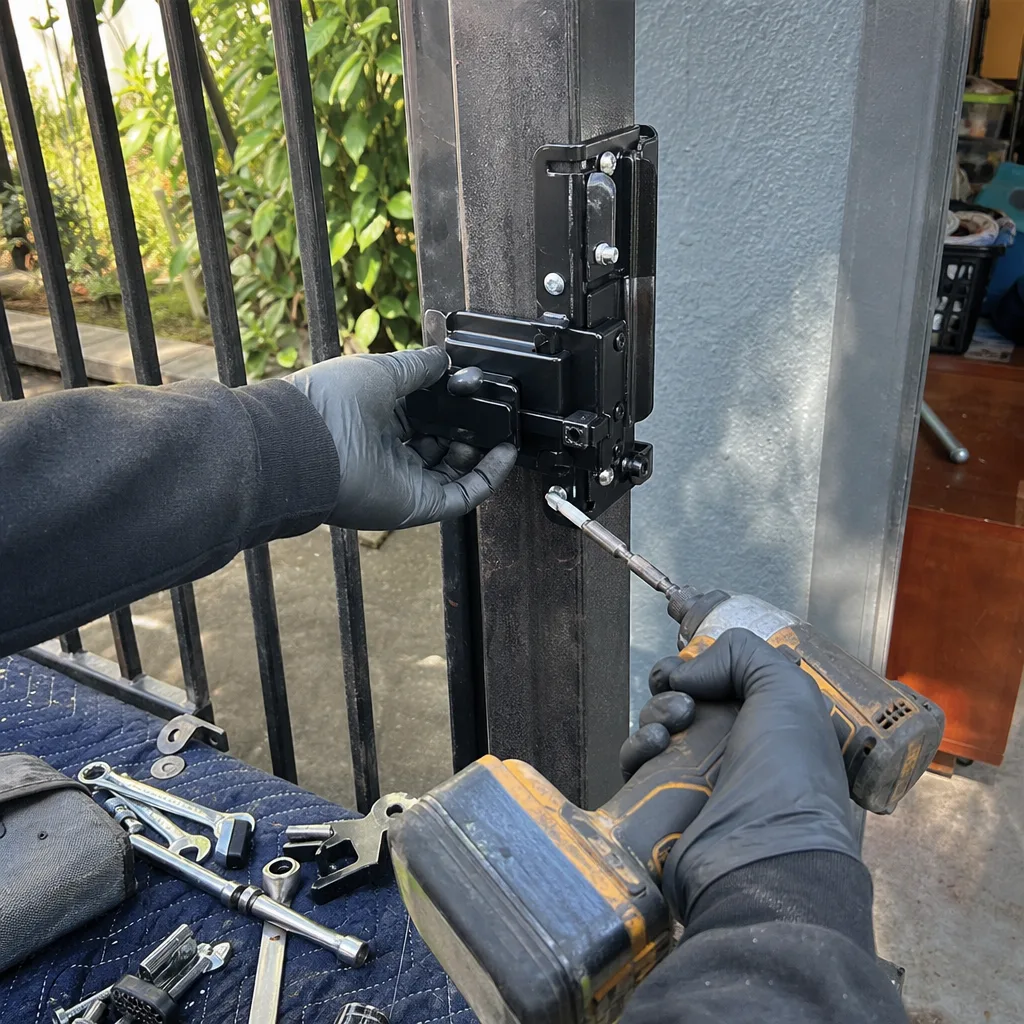
There’s a safe middle ground here. A homeowner can check whether the access control device is getting power by testing voltage at the ACC terminals with a multimeter - should read 12VDC on TSS1 series, 24VDC on AXWK. If there’s no voltage, the problem is upstream, likely a blown board fuse from a recent power surge.
Where DIY goes wrong: programming a new Ghost Controls keypad or receiver requires entering the control board’s programming mode, which involves specific button sequences and timing windows. Get it wrong and you can factory-reset the entire opener, losing all travel limits and safety settings. We’ve been called to Berkeley jobs where a homeowner spent four hours re-learning limits, only to find the gate now closes too hard on the catch post. The low-voltage wiring itself isn’t dangerous, but miswired accessories can backfeed and damage the control board, turning a $340 keypad replacement into a $680 board-plus-keypad job.
We’re not affiliated with Ghost Controls - we’re an independent service provider - and we carry their hardware because Berkeley properties run a lot of it. If you’re staring at a keypad that won’t pair or a receiver that won’t learn, call (510) 879-5471. We’ll name what we found, name what it costs, name what we left behind.
FAQs
Most last 6 to 10 years, with keypads at the shorter end and exit sensors at the longer. Berkeley’s salt air from the Bay accelerates corrosion on unsealed circuit boards, and UV exposure on south-facing keypad mounts degrades the rubber buttons. We install a dielectric grease seal on every replacement to push that toward the 10-year side.
Occasionally. A loose terminal screw or corroded wire nut is a 15-minute fix. But once the circuit board inside a keypad or receiver fails, there are no user-serviceable components, and Ghost Controls doesn’t sell internal parts separately. We test first and tell you honestly if it’s a wiring issue or a dead device. Call (510) 879-5471 for a free diagnosis - estimates are free.
Most single-device replacements take 45 to 90 minutes, including programming and testing all entry methods. A full access control upgrade with new burial cable through established landscaping can run 3 to 4 hours. We schedule by the job, not the clock, so you’re not watching a meter.
Yes. We carry the GHOST-KP keypad, GRF-1 and GRF-2 receivers, DXS exit wand, and the adapter harness for AXWK series installations. For less common items like the solar-compatible remote kit or the Bluetooth-enabled Smart Home Adapter, we can source next-day. Call (510) 879-5471 to confirm what’s in stock for your model.
Written by Adrian Vance, Owner, Vance Gate Repair Berkeley at Vance Gate Repair Berkeley, serving Berkeley and nearby areas.