
Last updated September 22, 2026
Free on-site gate assessment - hinges, posts, and your LiftMaster or Nice gate operator checked before anything is quoted
The assessment is free and the quote is the invoice.

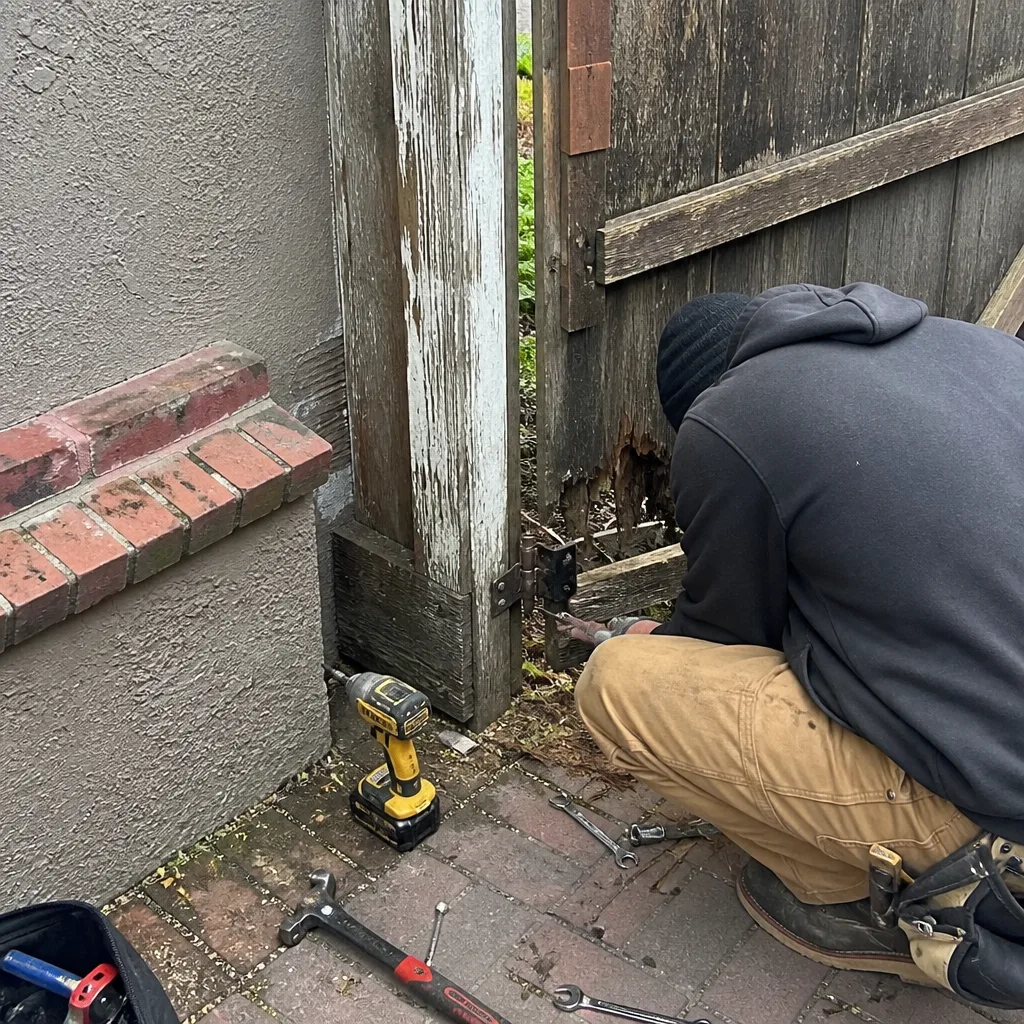 Before
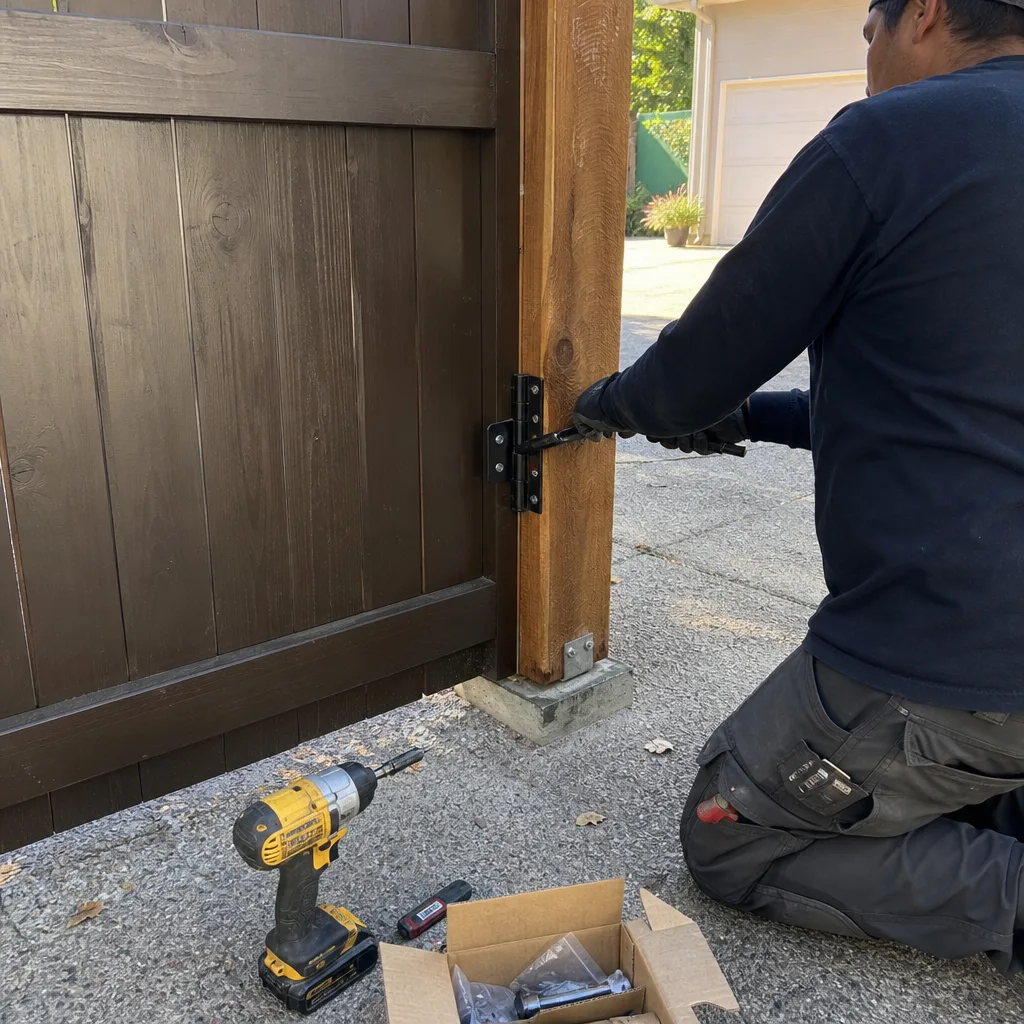 After
After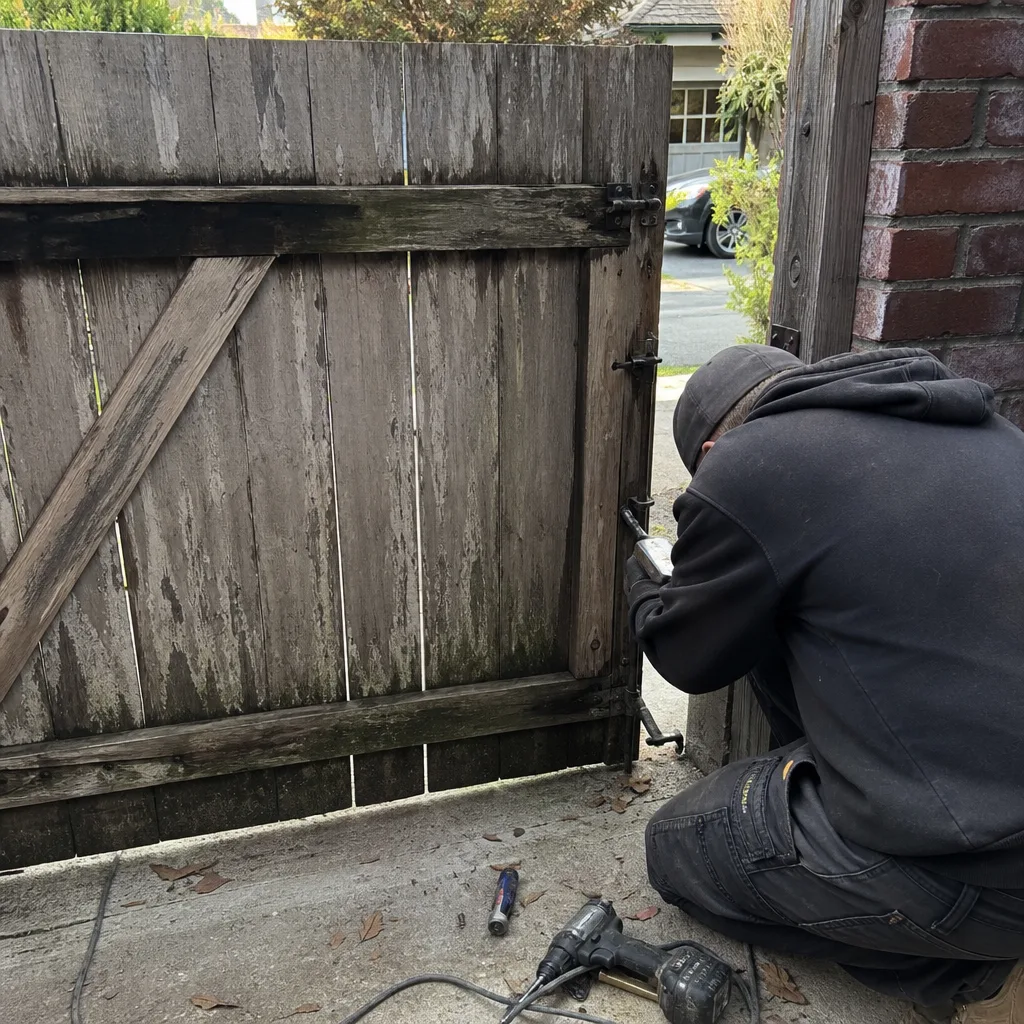 Before
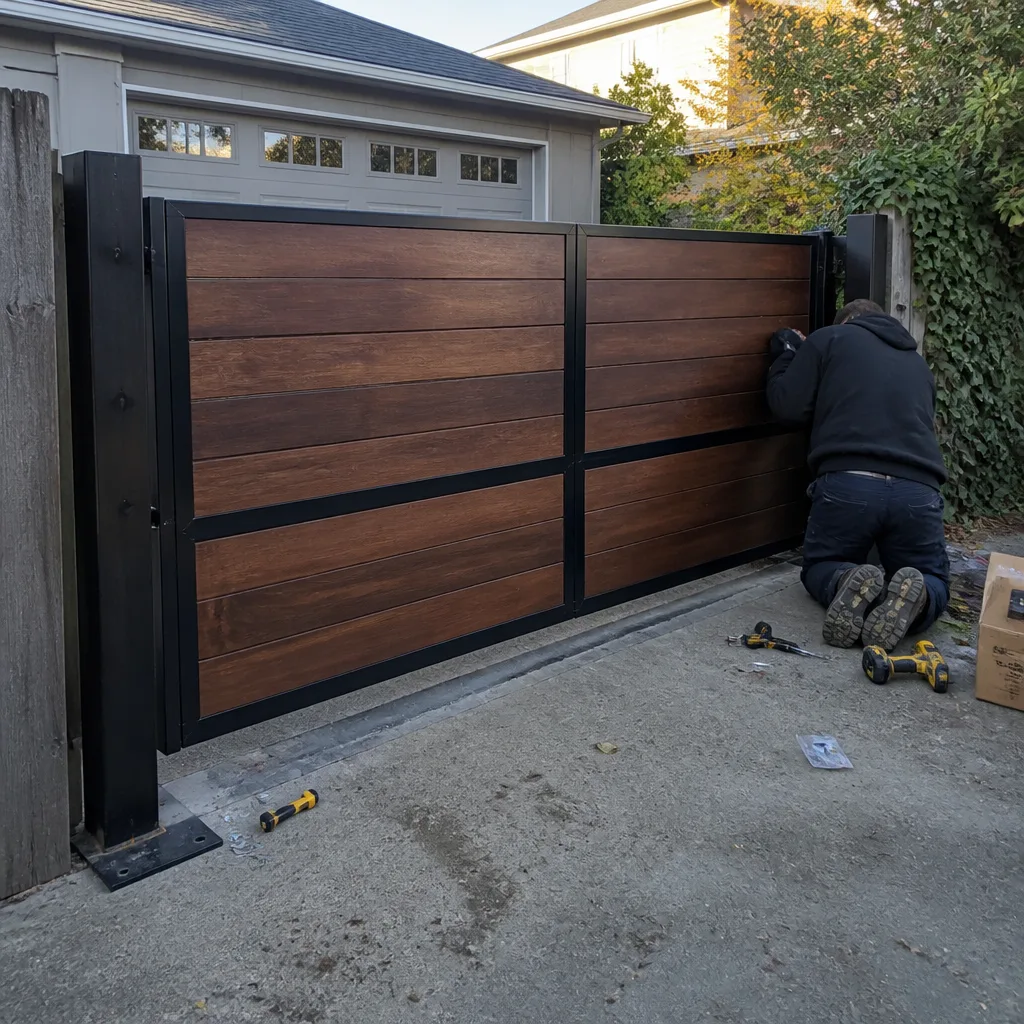 After
After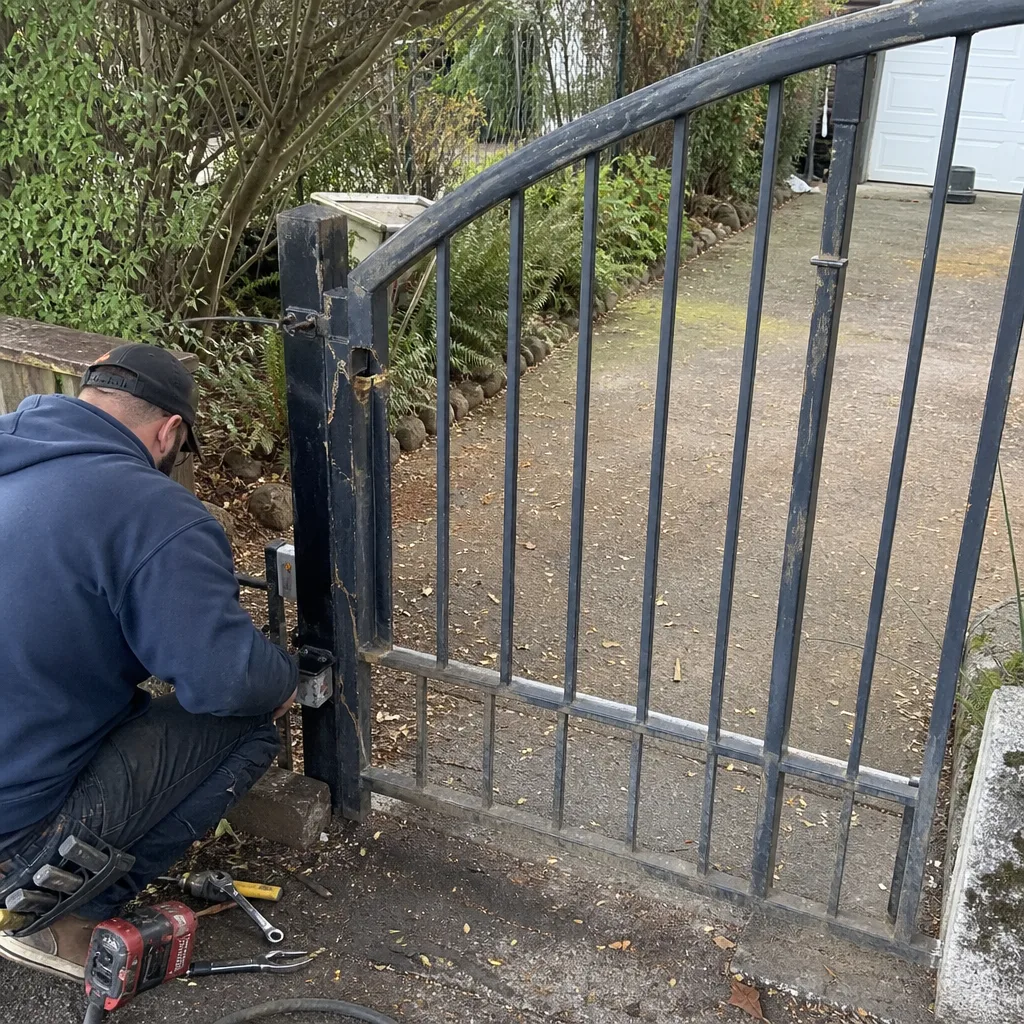 Before
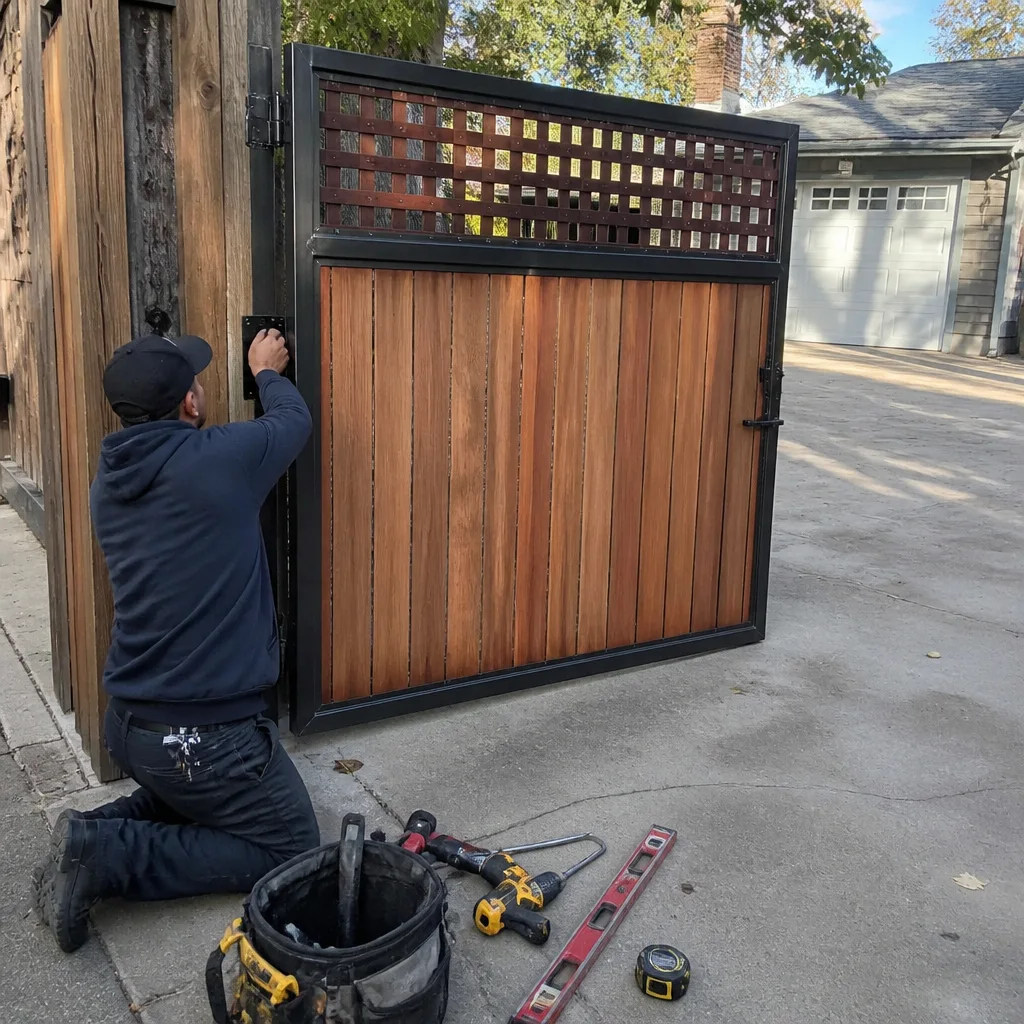 After
AfterGate Repair Permits, Codes & Inspections in CA: What You Need to Know
California’s UL 325 entrapment protection requirement has been in effect since 1993, but a significant share of older Berkeley residential gates still run operators with no compliant safety-reverse system - meaning the gate is operating illegally every time it closes. We’ve documented this on service calls throughout the Elmwood and North Berkeley hills, where mid-century installations with original equipment predate the rule by decades. This guide explains exactly when your gate project needs a permit, what California code actually requires, and how to protect yourself from the liability that comes with noncompliant equipment. For Gate Repair Warning Signs: A Berkeley Homeowner’s Reference Guide, see our dedicated resource. Whether you’re repairing an existing gate in Berkeley or planning new installation, the line between “repair” and “alteration” is where most homeowners and even some contractors get it wrong.
Quick Answer
Most gate repairs in California do not require a permit, but any project that modifies the gate’s structure, weight, or operator system typically does. Automated gate operators must include UL 325 compliant entrapment protection, and new installations in Berkeley require permitting through the City of Berkeley’s Building & Safety Division. The key distinction: replacing a broken part maintains the existing system; changing how the gate moves, stops, or protects users triggers inspection requirements.
Table of Contents
- When Are Permits Required for Gate Work in California?
- UL 325 Entrapment Protection: What It Actually Means
- The Repair vs. Alteration Line That Triggers Permitting
- Berkeley-Specific Requirements and How to Check Them
- What Happens During a Gate Inspection
- Liability Exposure: How Noncompliant Gates Affect Insurance and Resale
- Documenting Code Compliance: The Record That Protects You
- Permit Costs and Timeline Expectations in the Bay Area
 Before
 After
AfterWhen Are Permits Required for Gate Work in California?
California Building Code defers to local jurisdictions for enforcement, but the statewide framework is consistent. A permit is required when gate work constitutes “new construction, alteration, or repair” that changes the structure’s safety characteristics. In practice, this means three scenarios almost always trigger permitting:
- New automated gate installation - any first-time operator on a previously manual gate, or a complete replacement of an existing automated system with new equipment.
- Structural modification - changing gate height, width, weight, or material in a way that affects wind load, foundation requirements, or the operator’s capacity rating.
- Electrical work beyond simple replacement - running new conduit, adding 240V service, or installing access control that interfaces with fire alarm systems.
What does not require a permit? Replacing a failed motor with a like-kind unit of equal or lesser force, adjusting limit switches, replacing photo-eyes, welding cracked hinges, or replacing worn rollers. These are maintenance activities that preserve the system’s existing compliance status.
We’ve seen confusion in Berkeley’s Thousand Oaks neighborhood, where homeowners replacing a 1980s gate motor with a modern unit assumed the project was “just a repair.” When the new operator included a more powerful motor and different safety features, the building inspector correctly classified it as an alteration requiring permit and inspection. The homeowner had already paid for installation; the retroactive permit added $340 and a two-week delay.
The safest approach: before any work that touches the operator, call the City of Berkeley’s Building & Safety Division at (510) 879-5471 and describe the scope. They’ll tell you whether a permit is required, and there’s no penalty for asking.
UL 325 Entrapment Protection: What It Actually Means
UL 325 is the Underwriters Laboratories standard for door, drapery, gate, louver, and window operators and systems. For automated gates, the critical section addresses entrapment protection - the requirement that the gate must stop and reverse before injuring a person or object in its path. This isn’t a suggestion; it’s federal law under the Consumer Product Safety Commission, adopted by reference into California code.
The standard has been updated several times, with significant revisions in 1998, 2007, and 2016. Each revision tightened requirements. Equipment manufactured before 1998 may lack any compliant safety-reverse system. Equipment from 1998-2007 typically includes contact sensors (pressure-sensitive edges) but may lack non-contact protection. Post-2016 operators must include both types of protection or equivalent.
Here’s what satisfies UL 325 in current installations:
- Contact sensors: pressure-sensitive safety edges on the leading edge of the gate leaf that trigger reverse when physical contact occurs. These must be rated for the gate’s maximum force.
- Non-contact sensors: photo-eyes (infrared beams) or laser scanners that detect obstruction before contact. Photo-eyes must be positioned to protect the full swing or slide path, not just the opening.
- Force limitation: the operator itself must limit force to 40 pounds of pressure, tested with a calibrated gauge. Many older operators, particularly commercial-grade units adapted to residential use, exceed this threshold.
- Warning devices: audible and visible warnings before gate movement, required for all automated gates installed after 2016.
On a recent call in Berkeley’s Claremont district, we found a Viking operator from 2004 with no safety edges and a single misaligned photo-eye that had been disconnected by a previous technician. The gate had been running this way for eleven years. Under Haven Standard Clause 4, we photographed the condition, documented the noncompliance, and provided the homeowner with a written quote to bring the system to current UL 325 standards - including two new photo-eyes, a safety edge on the leading leaf, and force testing with a written certificate.
The homeowner’s question was common: “If it’s been fine this long, why fix it now?” The answer is liability. California premises liability law holds property owners responsible for injuries caused by dangerous conditions they knew or should have known about. A documented service record showing noncompliance - and failure to correct it - eliminates the “should have known” defense entirely.
The Repair vs. Alteration Line That Triggers Permitting
This is where most disputes with building departments begin. California Building Code Section 105.2 lists work exempt from permit, including “minor repairs” that don’t affect structural integrity or safety systems. But “minor” is interpreted locally, and gate operators occupy a gray zone because they are simultaneously mechanical, electrical, and safety-critical.
We’ve developed a practical framework from eleven years of documentation across 22,000+ jobs. Consider these questions:
- Does the work change the gate’s weight or dimensions? Adding a decorative steel panel, extending height for privacy, or switching from wood to wrought iron all alter structural loads and require engineering review.
- Does the work change the operator’s force or speed? Upgrading from a ½ HP to 1 HP motor, or from a residential to commercial-duty operator, changes the kinetic energy the safety system must manage.
- Does the work add new access points or control methods? Installing a keypad, telephone entry system, or smartphone-connected operator introduces new user interfaces that inspectors evaluate for safe operation.
- Does the work modify the foundation or support structure? Replacing a failing post, adding a concrete pad for a slide gate track, or installing a new jamb all constitute structural work.
If any answer is yes, permit. If all answers are no, the work likely qualifies as repair.
We applied this framework last month on a gate repair in Berkeley near the Gourmet Ghetto. The homeowner wanted to replace a failed Ghost Controls operator with a Linear unit of equivalent horsepower and force rating. Same voltage, same mounting pattern, same safety device configuration. We documented the existing system with photographs, specified the replacement unit by model number, and confirmed with Berkeley Building & Safety that no permit was required. The job was completed same-day with full documentation under Haven Standard Clause 4.
Contrast this with a job in the Berkeley Hills where a homeowner wanted to convert a manual swing gate to automated operation. New operator, new safety devices, new electrical run, new foundation for the operator pad. This is unambiguously new installation requiring full permit, plan review, and inspection. We provided a written scope and price before work started - including the permit fees and inspection scheduling - so the homeowner understood the full timeline and cost upfront.
Berkeley-Specific Requirements and How to Check Them
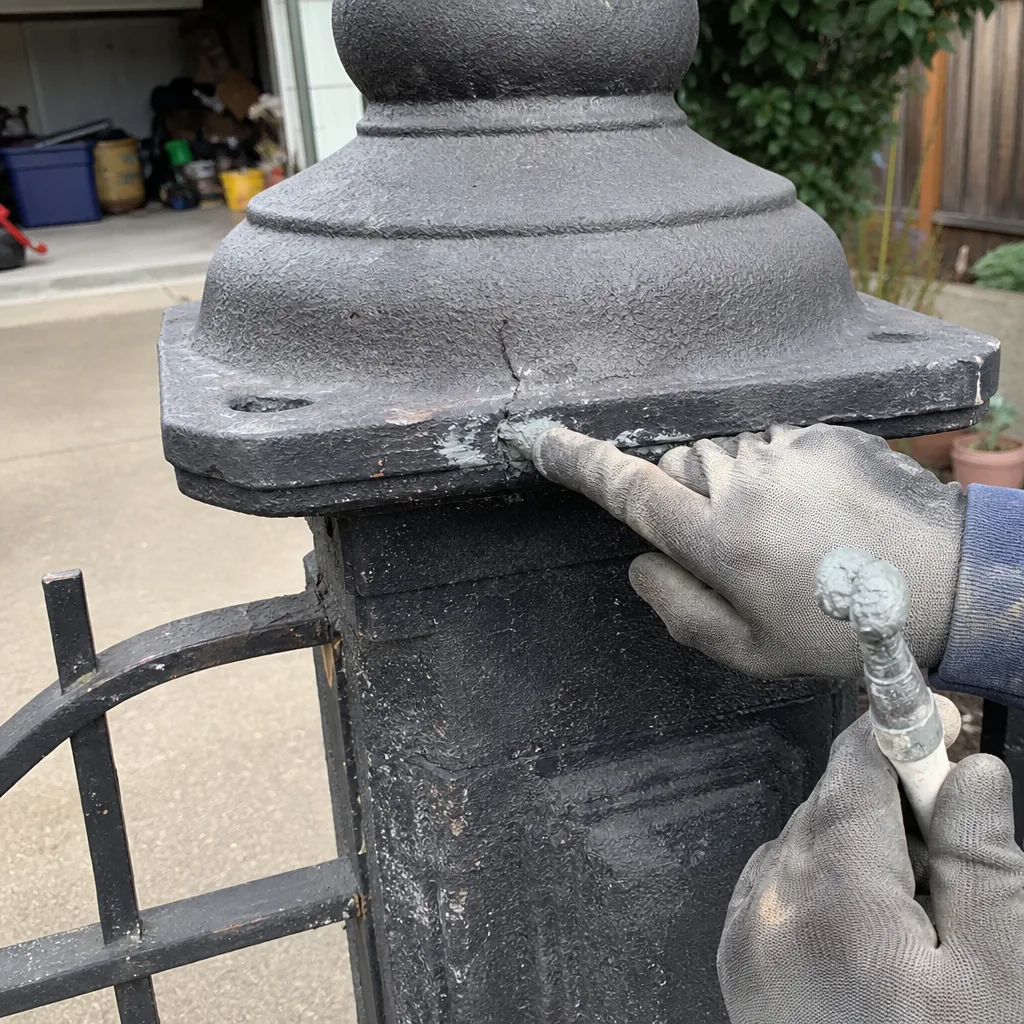
Berkeley operates under the California Building Code with local amendments administered by the Planning & Development Department’s Building & Safety Division. For gate work, the critical local layer is Berkeley’s enforcement of electrical and structural permits, plus its specific requirements for work in historic districts or hillside zones.
Here’s how to verify requirements for your specific project:
- Call Building & Safety directly: (510) 879-5471. Describe your project in plain language - “I’m replacing a gate motor on my driveway gate” or “I’m installing a new automated gate.” They’ll tell you whether a permit is required and what type.
- Check your property’s zoning: Berkeley’s online Zoning Map (available through the city’s website) identifies historic districts, hillside overlay zones, and fire hazard severity zones. Each may impose additional requirements - for example, fire department access clearances that affect gate placement.
- Verify contractor licensing: Berkeley requires C-53 (Swimming Pool, Spa, and Hot Tub - which includes gate work in some interpretations) or C-10 (Electrical) for operator installation, or a B-General contractor with appropriate specialty classification. Ask for the license number and verify through the California State License Board.
- Confirm inspection scheduling: Berkeley typically requires rough inspection (before cover) and final inspection for electrical work. Structural work may require additional inspections. Ask for the inspection checklist so your contractor knows what the inspector will verify.
Berkeley’s climate adds practical considerations that affect code compliance. The marine layer corrosion common in the flats near the bay accelerates photo-eye degradation. We’ve replaced photo-eyes in West Berkeley that failed within three years due to salt air exposure - well inside their rated lifespan. When we document these conditions under Haven Standard Clause 4, we note the environmental factor so future technicians understand the accelerated wear pattern.
In the hills, seismic considerations affect structural requirements. A gate post that meets standard embedment depth for flat terrain may need deeper footings or wider bases on sloped Berkeley Hills lots. We’ve seen permit inspectors reject post installations that ignored geotechnical reports for hillside properties. If your property is in the hills, budget for potential engineering review even for seemingly straightforward work.
What Happens During a Gate Inspection
Understanding the inspection process helps you prepare and ensures your contractor’s work will pass. Berkeley inspectors follow a standardized checklist derived from California Building Code and UL 325 requirements. Here’s what they verify:
- Permit posting: the approved permit card must be visible at the work site.
- Operator labeling: the unit must bear a UL 325 listing mark, with model number matching the approved plans.
- Safety device placement: photo-eyes must cover the full gate path, safety edges must be on all leading and trailing edges that could contact a person, and both must be tested for function.
- Force testing: the inspector may use a calibrated force gauge or accept a certificate from a certified technician showing force below 40 pounds.
- Warning devices: audible alarm and visible strobe or light must activate before gate movement, with duration specified in current UL 325.
- Emergency release: manual release mechanism must be accessible and functional, with instructions posted.
- Electrical compliance: GFCI protection for outdoor outlets, proper grounding, conduit integrity, and load calculations for the circuit.
Common failure points we’ve documented:
Photo-eyes installed at incorrect height - they must detect a 30-inch tall object (simulating a small child) anywhere in the gate path. Many installers set them too high, assuming adult detection is sufficient.
Safety edges that aren’t “monitored” - the system must detect if the safety edge itself fails (cut wire, damaged sensor). Older or cheap edges lack this feature and will fail inspection.
Operators with force settings above 40 pounds, often because the installer didn’t have a force gauge and guessed. We carry calibrated gauges and test every installation, documenting the reading in our photo record.
If your project fails inspection, Berkeley provides a written correction notice with specific deficiencies. Your contractor must correct and schedule re-inspection, typically within 10 business days. Under Haven Standard Clause 1, we quote re-inspection costs upfront when we quote the original job - no surprise if a city inspector finds an issue we missed.
Liability Exposure: How Noncompliant Gates Affect Insurance and Resale
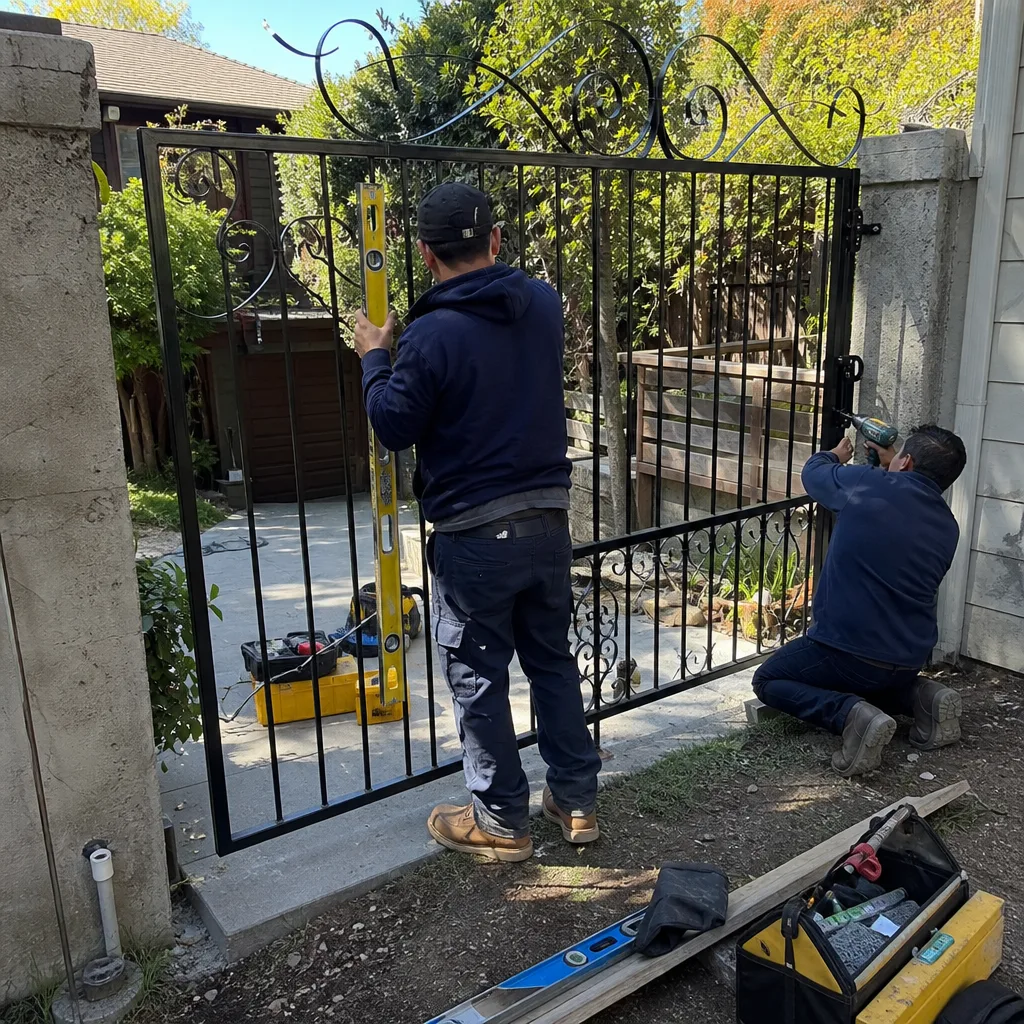
This is the section most competitors skip, and it’s where homeowners face the largest unquantified risk. A noncompliant gate operator creates three distinct liability exposures:
Personal injury liability: California Civil Code Section 1714 establishes general negligence standards for property owners. If a visitor - delivery driver, contractor, child’s friend - is injured by a gate lacking required safety features, the homeowner’s liability is nearly absolute if the condition was known or should have been known. “Should have been known” includes any service record documenting noncompliance. This is why we flag noncompliance in writing and require homeowner acknowledgment before we leave a gate running in an unsafe condition.
Insurance coverage gaps: we’ve reviewed homeowner policies with clients, and standard language excludes coverage for “known code violations” or “failure to maintain safety devices.” If your gate injures someone and your insurer discovers you had a service record showing noncompliant equipment, they may deny the claim entirely. We’ve had Berkeley homeowners contact us specifically to document compliance before policy renewal, at their insurer’s request.
Resale complications: California’s Transfer Disclosure Statement requires sellers to disclose known defects and code violations. A gate operator without UL 325 compliance is a material defect. We’ve been called to install compliant systems during escrow, with closing dates forcing rush work at premium pricing. The buyer’s home inspector increasingly checks for operator compliance - we’ve seen this specifically in Berkeley’s competitive market where buyers use every leverage point.
The documentation we provide under Haven Standard Clause 4 becomes valuable at resale. A complete photo record showing compliant safety devices, force test results, and inspection certificates demonstrates due diligence that protects both seller and buyer. We’ve had past clients forward our documentation packets to their real estate agents as selling points.
Documenting Code Compliance: The Record That Protects You
Documentation is where commercial access-control practice diverges from typical residential gate service. Adrian Vance developed this habit starting in 2014, and it’s now codified as Haven Standard Clause 4: “Evidence on every job.” Here’s what that means in practice and why it matters for code compliance:
When we complete any gate work - repair, adjustment, or installation - you receive:
- Photographs of the gate condition before work began, including any safety device deficiencies
- Photographs of all adjustments made, with settings visible where possible (limit switch positions, force dial readings)
- Photographs of installed components, with part numbers visible
- Written record of force test results, with date and technician name
- Copy of the written price quote, signed by both parties, showing scope and final price
For permit-required work, we also provide:
- Copy of the approved permit
- Inspection certificates (rough and final)
- Manufacturer’s UL 325 compliance certificate for the operator model
- Installation manual with safety device placement diagram, marked to show your specific configuration
This record serves multiple purposes. If Berkeley Building & Safety questions your installation later, you have proof of compliance. If you sell your home, you have disclosure documentation. If an injury occurs and you’re accused of negligence, you have evidence of professional installation to current standards.
We’ve used our own records to defend clients. In 2019, a Berkeley homeowner was cited by the city for an unpermitted gate installation performed by a previous contractor. We provided our documentation showing the work predated our involvement, but more importantly, we showed the current condition was compliant and assisted the homeowner in obtaining retroactive permit and inspection. The citation was resolved without penalty.
Permit Costs and Timeline Expectations in the Bay Area
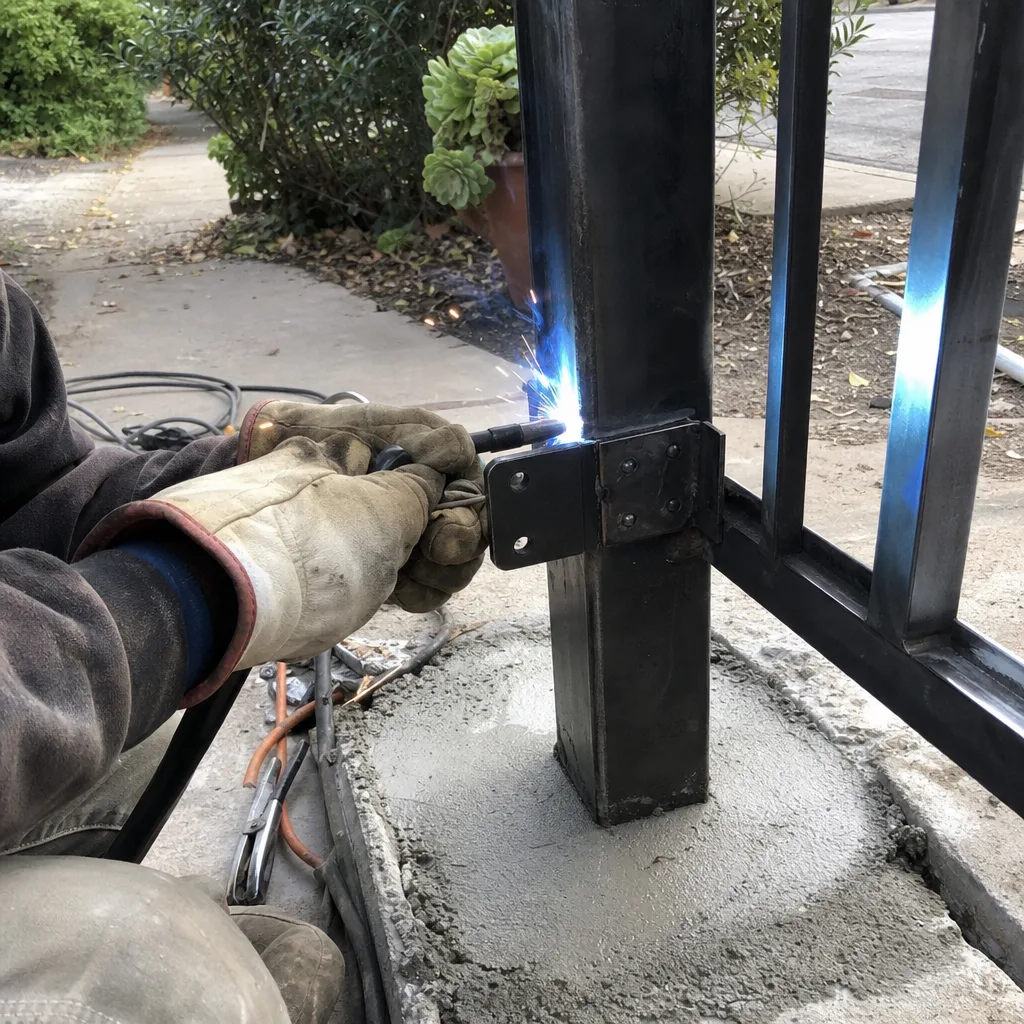
Permit costs vary by jurisdiction, but Berkeley and surrounding East Bay cities follow predictable patterns. Here’s what to budget:
| Permit Type | Berkeley Fee Range | Typical Timeline |
|---|---|---|
| Electrical permit (operator replacement) | $180 – $340 | 1-2 days review, inspection within 5 business days of request |
| Structural permit (new gate, post replacement) | $340 – $680 | 5-10 days review, two inspections required |
| Combined electrical/structural | $520 – $980 | 10-14 days review, three inspections typical |
| Historic district review (if applicable) | $200 – $400 additional | 14-21 days |
| Re-inspection after failure | $85 – $170 | 5 business days |
These are city fees only - contractor time for permit application, plan preparation, and inspection attendance is additional. For more guides & resources on navigating Berkeley’s permit process, visit our blog. At Vance Gate Repair Berkeley, we include permit handling in our written scope when required, with exact city fees itemized. We don’t mark up permit costs; you pay what the city charges.
Timeline planning matters in Berkeley’s rainy season. Inspections aren’t performed in active rain, and the December-March period sees more weather delays. If you’re planning gate work for spring or summer, start permit applications 3-4 weeks ahead. We’ve had Berkeley clients in the Elmwood area wait six weeks for combined structural/electrical permits during busy periods.
For work that doesn’t require permits, our typical response is same-day or next-day in Berkeley, with written price provided before any work starts under Haven Standard Clause 1. The 365-Day Done Right Promise covers all completed work regardless of permit status.
Common Mistakes to Avoid
- Assuming “repair” means no permit: replacing an operator with a more powerful unit, adding safety devices where none existed, or changing from swing to slide configuration all constitute alteration, not repair. When in doubt, call Berkeley Building & Safety before starting work.
- Accepting verbal assurance from a contractor: we’ve cleaned up after contractors who told homeowners “this doesn’t need a permit” when it clearly did. Get the determination in writing from the city, or choose a contractor who documents the permit status in your written scope.
- Ignoring UL 325 on “grandfathered” equipment: California has no grandfather clause for unsafe gate operators. The 1993 effective date means any operator installed before then was never compliant, and any operator installed after must maintain compliance. “It’s always worked this way” is not a legal defense.
- Skipping documentation to save money: we’ve seen Berkeley homeowners decline our photo documentation to reduce cost, then struggle to prove compliance during insurance claims or resale. Haven Standard Clause 4 is included at no additional charge because it’s essential, not optional.
- Installing DIY operators without understanding force requirements: big-box store operators often lack the safety devices and force-limiting features required for automated gates. The package may say “gate operator” but not “UL 325 compliant for automated vehicular gate.” We’ve removed dozens of these from Berkeley properties after failed inspections or injuries.
- Neglecting environmental factors in equipment selection: Berkeley’s marine-influenced climate degradates certain components faster than inland locations. Photo-eyes without sealed housings fail prematurely. We specify BFT and Linear operators with appropriate IP ratings for coastal exposure, documented in our written scope.
When to Call a Professional
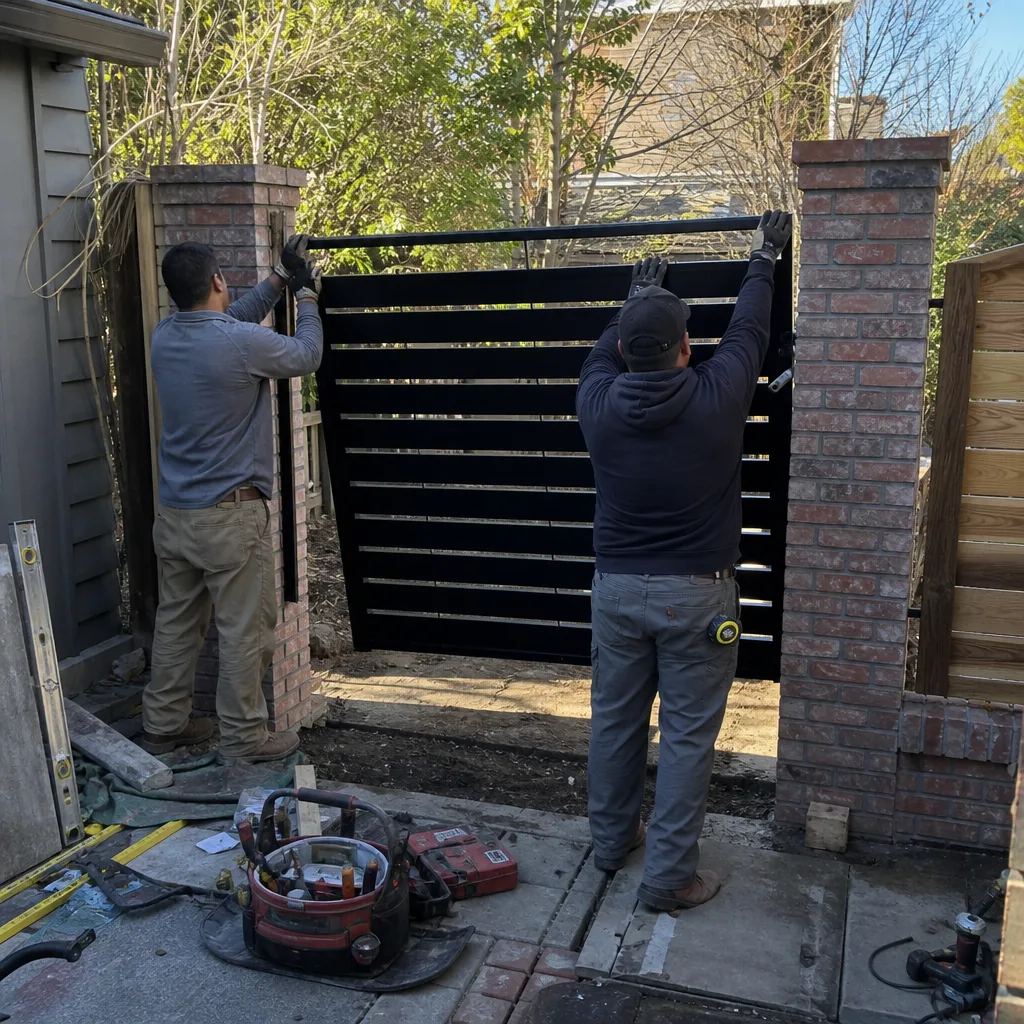
Call a licensed gate specialist when your project involves any electrical work, any structural modification, or any uncertainty about permit status. See our guide on How to Hire a Gate Repair Contractor in Berkeley: A Step-by-Step Guide for vetting tips. Call immediately if your gate lacks visible safety devices, makes contact without reversing, or was installed before 1998 with original equipment. The liability exposure for known noncompliance far exceeds the cost of professional evaluation.
Vance Gate Repair Berkeley offers free estimates in Berkeley - call (510) 879-5471. We’ll assess your gate’s compliance status, identify any permit requirements, and provide a written scope and price before any work starts. If you have a written estimate from another company, we provide free second opinion review under Haven Standard terms.
Frequently Asked Questions
Most repairs do not require a permit. Replacing a failed motor with a like-kind unit, adjusting limit switches, replacing photo-eyes, welding hinges, or replacing rollers are typically classified as maintenance. However, if the repair changes the gate’s weight, dimensions, operator force, or adds new control methods, Berkeley Building & Safety may classify it as an alteration requiring permit. Call (510) 879-5471 with your specific scope to confirm.
UL 325 is the safety standard requiring automated gates to stop and reverse before injuring a person or object. All automated gates in California must comply. If your gate was installed after 1993, it should have compliant safety devices - photo-eyes, safety edges, or both. If it doesn’t, it’s operating illegally and creates significant liability exposure. We document compliance status on every service call and provide written quotes to correct deficiencies.
Probably not if the noncompliance was known or documented. Standard policies exclude “known code violations” and “failure to maintain safety devices.” If a service record shows your gate lacked required safety features and you didn’t correct it, your insurer may deny the claim entirely. Documented compliance protects your coverage.
Look for the UL listing mark on the operator housing, typically a circle with “UL” inside and the word “LISTED.” The model number should match a UL 325 certified product. Check that photo-eyes or safety edges are present, functional, and positioned to protect the full gate path. If you’re uncertain, we provide free compliance checks with written documentation of findings.
California’s Transfer Disclosure Statement requires disclosure of known defects and code violations. A noncompliant gate operator is a material defect that must be disclosed. Buyers increasingly inspect for this, particularly in Berkeley’s competitive market. We’ve installed compliant systems during escrow for sellers who didn’t address the issue earlier - rush work at premium pricing. Addressing compliance before listing is significantly less expensive and stressful.
No. DIY installation doesn’t exempt you from permit requirements or safety standards. In fact, self-installed operators are more likely to fail inspection because homeowners typically lack force-testing equipment and don’t understand safety device placement requirements. We’ve removed numerous big-box store operators from Berkeley properties after city enforcement or insurance issues. Professional installation with proper documentation protects your investment and liability exposure.
The Bottom Line
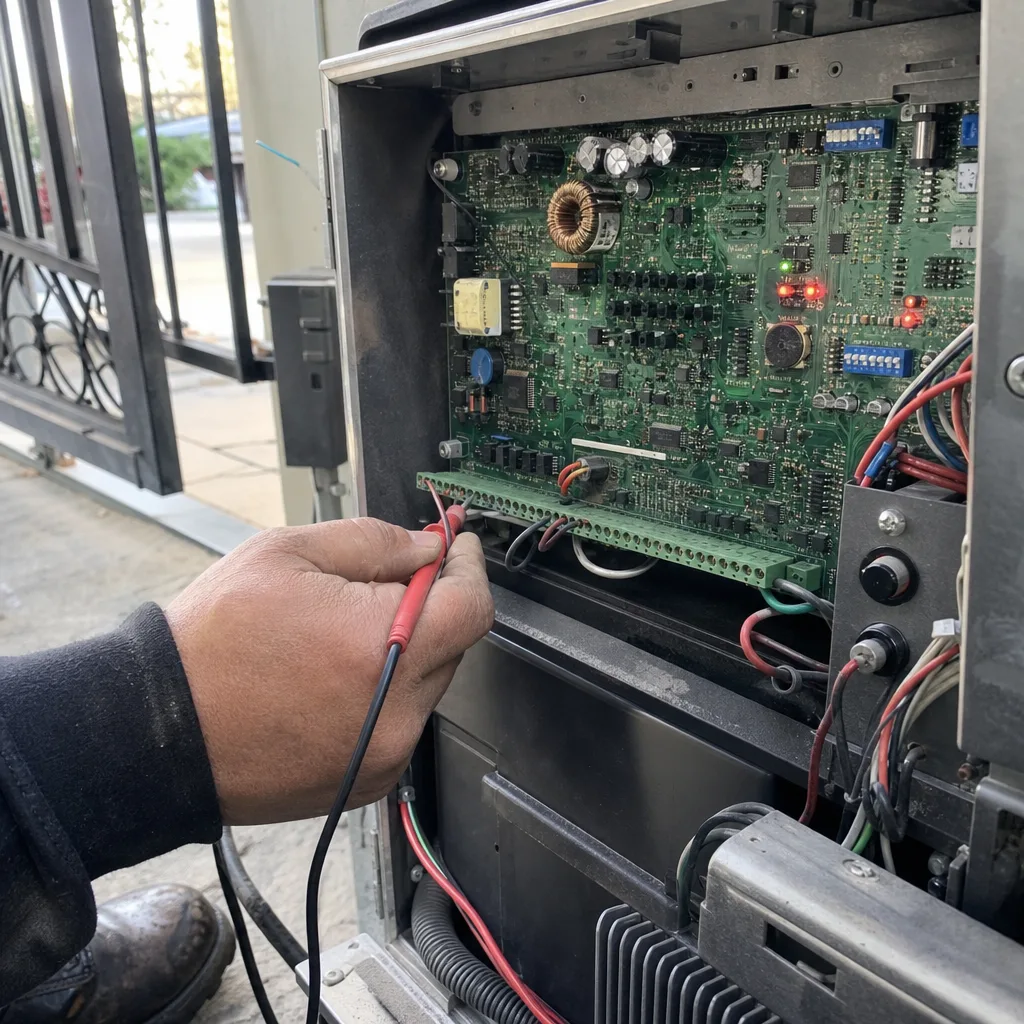
California gate permitting is narrower than feared but more specific than most contractors explain. Repairs that preserve existing systems rarely need permits; alterations that change safety characteristics almost always do. UL 325 compliance isn’t optional - it’s been law since 1993, and noncompliance creates liability that insurance won’t cover and buyers won’t accept. In Berkeley, the City of Berkeley’s Building & Safety Division provides clear guidance when asked, and professional documentation protects you at every stage. The cost of getting this right is modest; the cost of getting it wrong, in delayed sales, denied claims, or injury liability, is substantial. Document everything, verify permit requirements before starting, and work with contractors who put their promises in writing.
Written by Adrian Vance, Owner at Vance Gate Repair Berkeley, serving Berkeley since 2014.