
Last updated September 22, 2026
Free on-site gate assessment - hinges, posts, and your LiftMaster or Nice gate operator checked before anything is quoted
The assessment is free and the quote is the invoice.

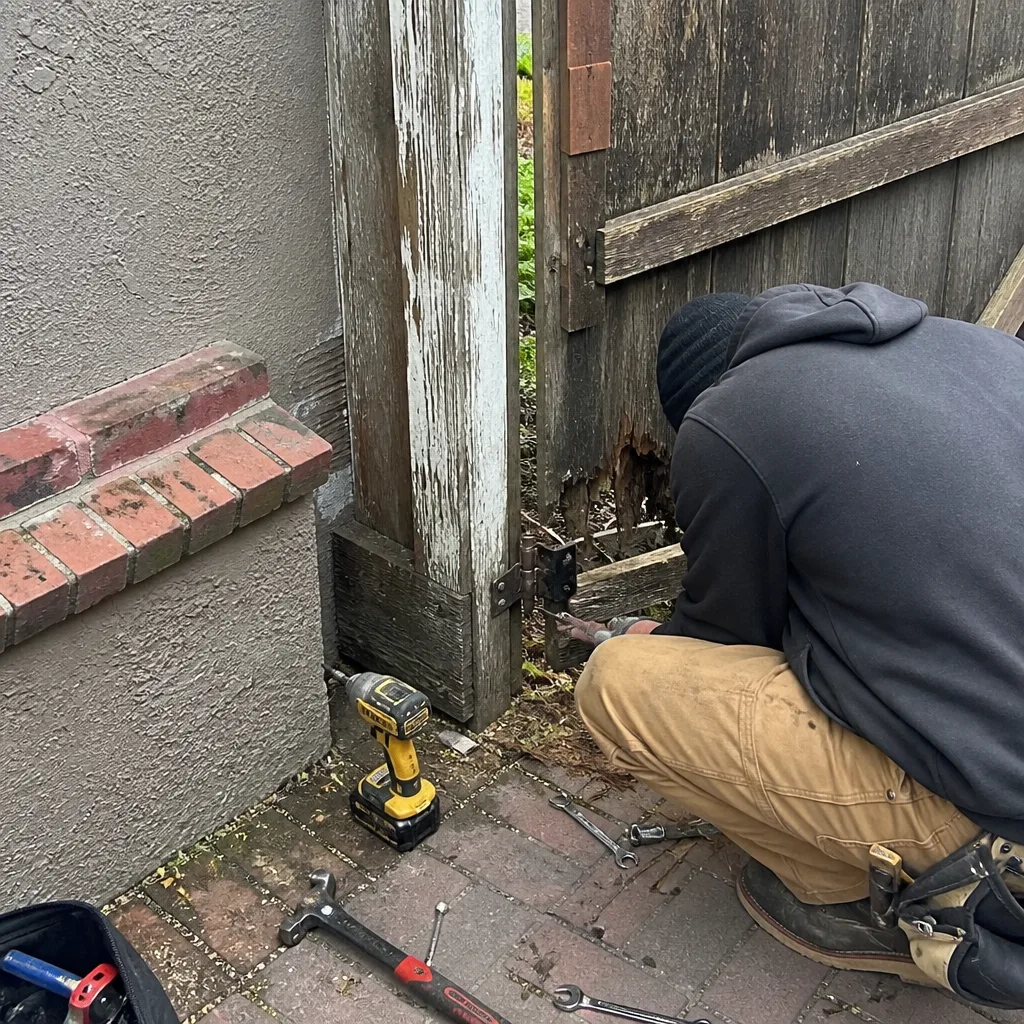 Before
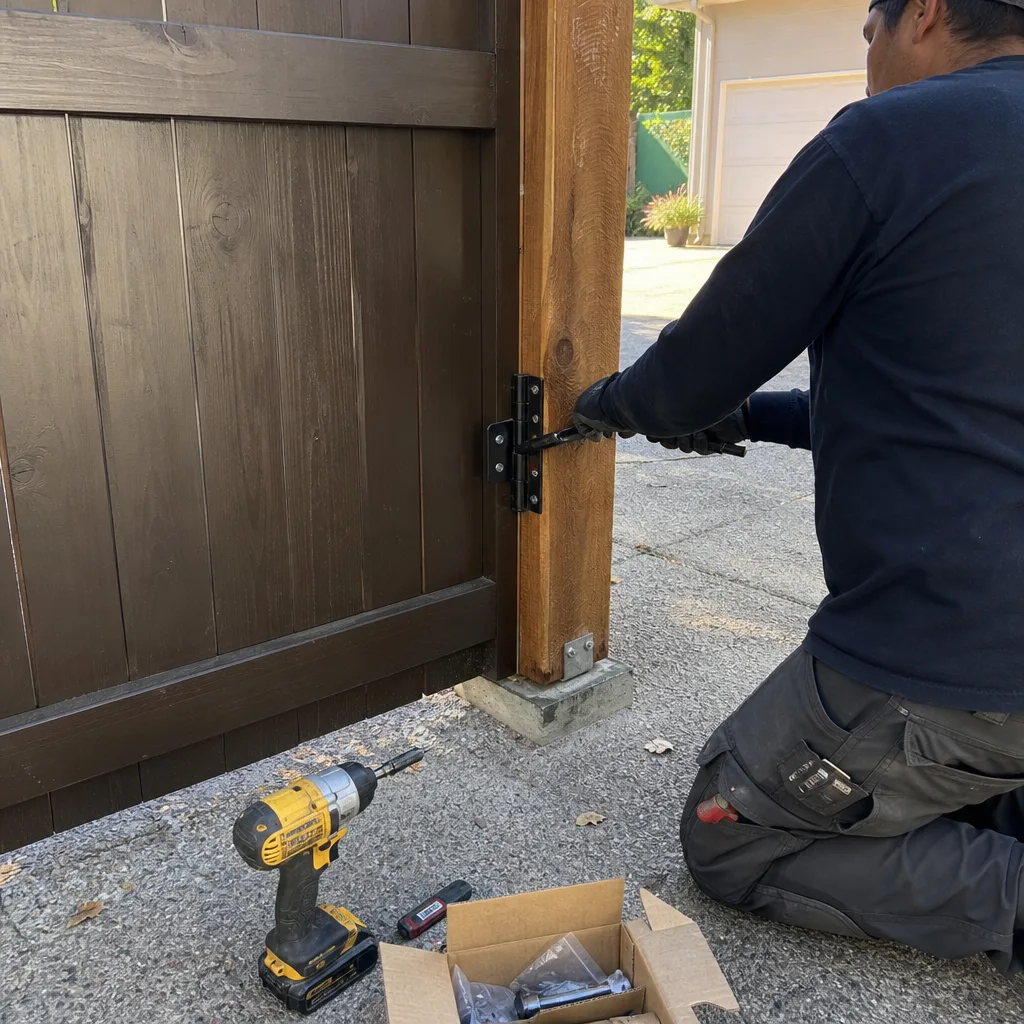 After
After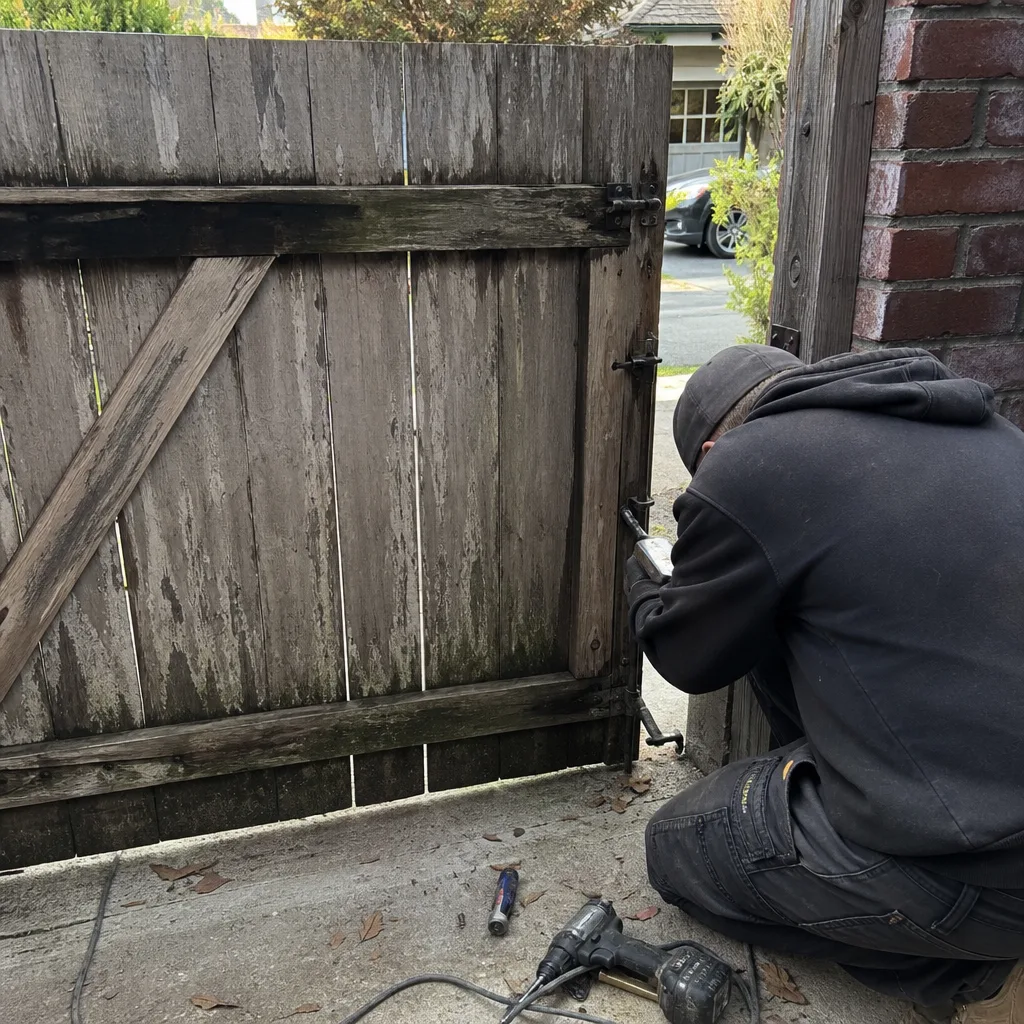 Before
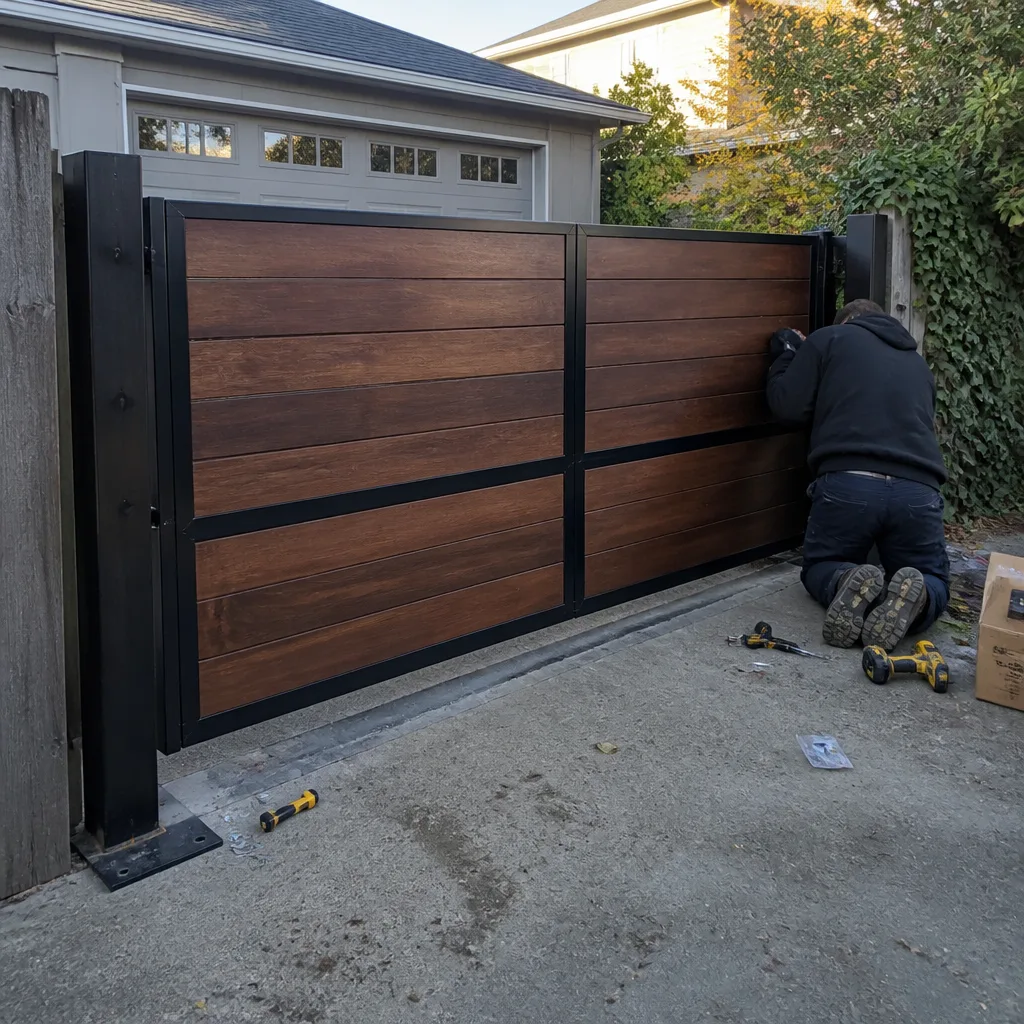 After
After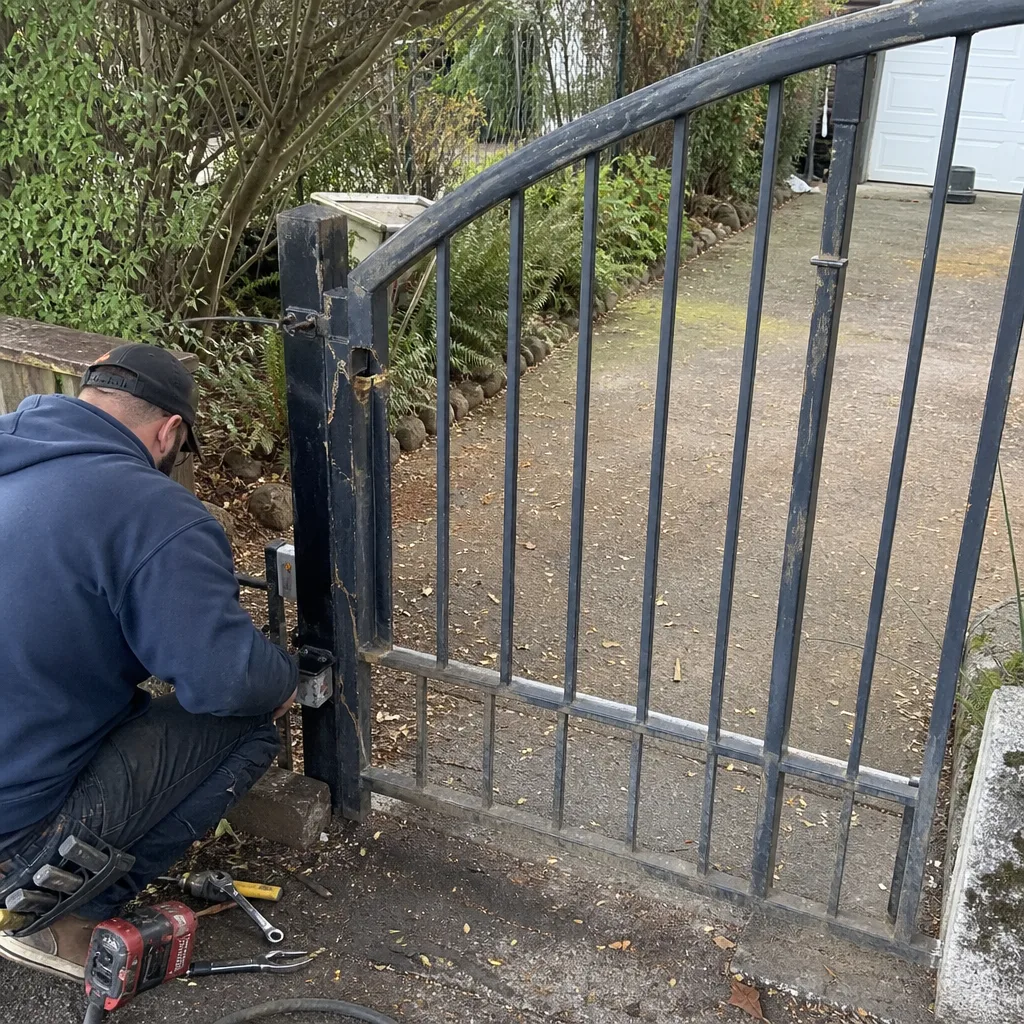 Before
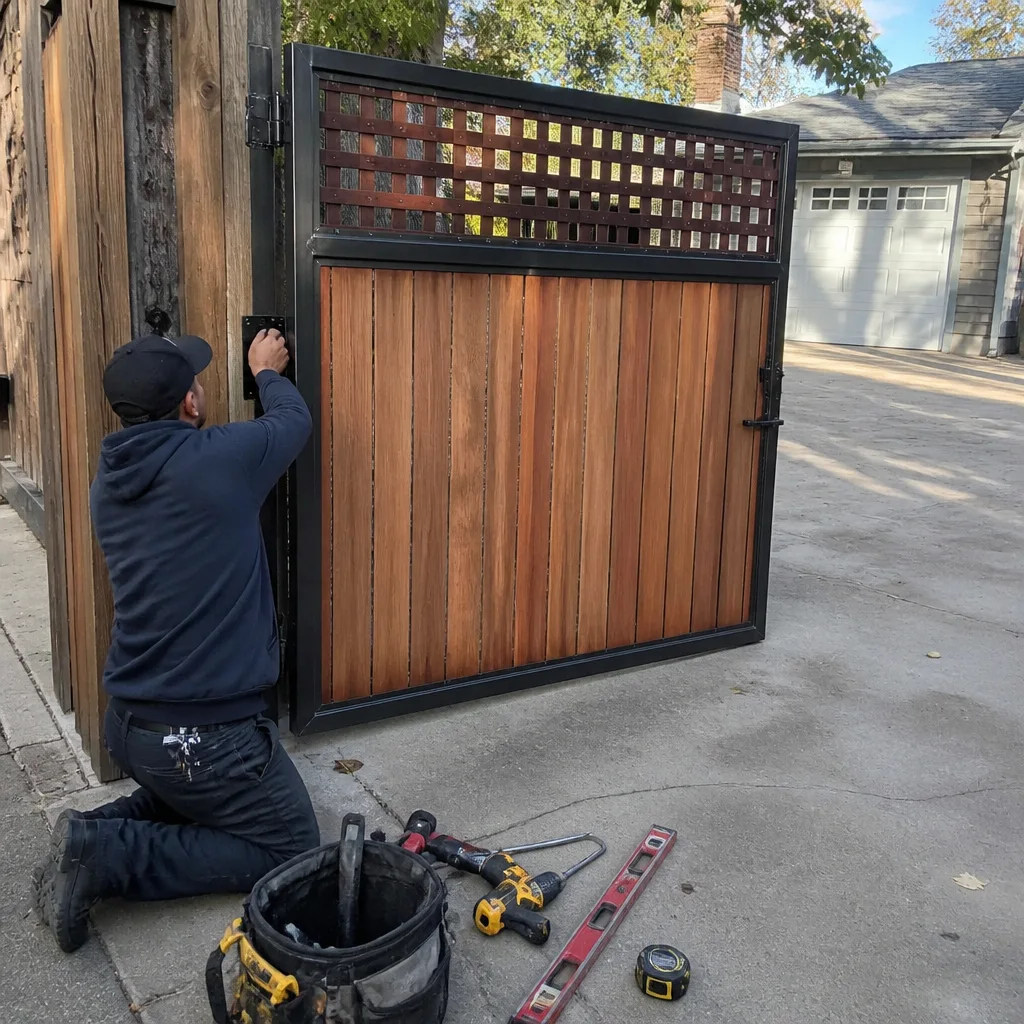 After
AfterGate Repair Warning Signs: A Berkeley Homeowner’s Reference Guide
A gate that reverses unexpectedly on closing isn’t just an annoyance, it’s the gate’s safety-reverse system detecting an obstruction or a mis-set limit switch, and ignoring it means the next reversal might not happen when it should. In Berkeley, where hillside properties in the Berkeley Hills and Claremont neighborhoods put extra load on swing-gate hinges, and where the marine layer accelerates corrosion on coastal-facing installations near the Marina, we’ve seen small warning signs become full failures within a single season. This guide, along with our Seasonal Gate Repair Care for Berkeley: Year-Round Homeowner’s Guide, sorts every common warning sign into one of two categories: schedule it this month, or take the gate offline now. Knowing which category you’re in changes the urgency, the cost, and the safety calculus.
Quick Answer
The most critical gate repair warning signs in Berkeley are: grinding or clicking sounds from the motor (mechanical wear), rust blooming under paint or at weld points (structural degradation), and any failure of the safety-reverse system (immediate hazard). Schedule planned repairs for slow operation, minor remote inconsistency, or cosmetic rust. Take the gate offline immediately for uncommanded movement, failed safety reversal, or visible frame twist or hinge-plate cracks.
Table of Contents
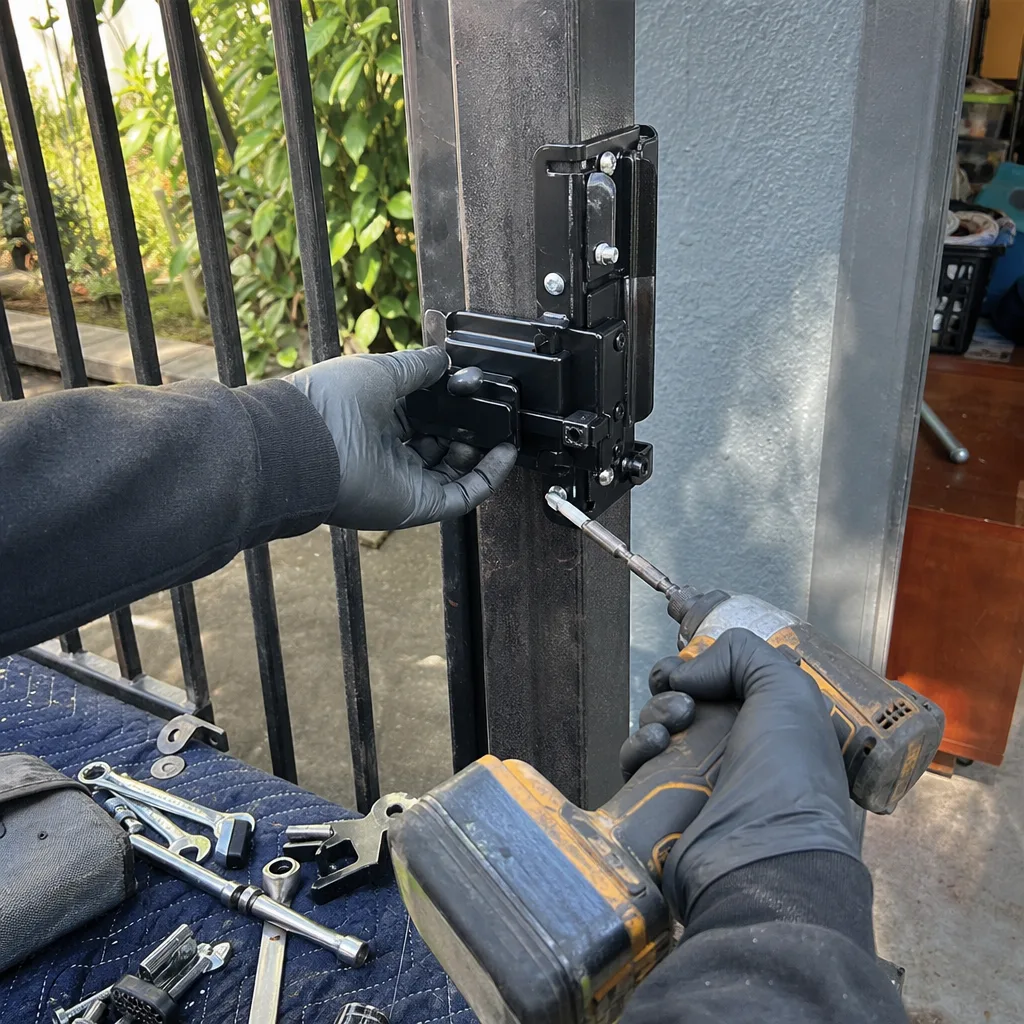
- Schedule It This Month vs. Take It Offline Now
- The Sounds That Matter: What Grinding, Clicking, and Humming Tell You
- Visual Warning Signs That Aren’t Obvious
- Control Panel Warning Signs: Error Codes, LEDs, and Remote Failures
- How to Photograph and Document a Warning Sign for Your Technician
- Berkeley-Specific Factors: Climate, Terrain, and Code
- Common Mistakes to Avoid
- When to Call a Professional
- Frequently Asked Questions
- The Bottom Line
 Before
 After
AfterSchedule It This Month vs. Take It Offline Now
Most more guides & resources lump all warning signs together. That conflation costs Berkeley homeowners money and, occasionally, safety. The distinction matters because a gate taken offline prevents injury and property damage, while a gate nursed along with temporary fixes accumulates secondary damage that turns a $340 repair into a $2,800 replacement.
Schedule It This Month: Planned Repair Category
These signs indicate degradation that will worsen, but the gate remains safe to operate with normal precautions:
- Slow operation across all control methods. A swing gate that took 12 seconds to open six months ago and now takes 18 seconds likely has a motor capacitor declining in capacity, or a hydraulic system (common in older FAAC and BFT operators) with thickened fluid. The gate still reverses on obstruction. Schedule before the capacitor fails completely and the motor stalls.
- Remote works inconsistently, but keypad and wired button work fine. This points to a radio receiver with degraded antenna connection or interference from nearby Wi-Fi extenders. In Berkeley’s dense Elmwood and Northside neighborhoods, 2.4 GHz congestion from student housing and multi-tenant buildings is a known factor. Annoying, not dangerous.
- Cosmetic rust on non-structural elements. Surface oxidation on decorative finials or non-load-bearing pickets. Address before it penetrates, but the gate’s structural integrity is intact.
- Squeaking during travel that lubrication resolves temporarily. Hinge bushings or roller wheels are dry. Persistent squeaking after lubrication indicates bushing wear, but the gate still operates within design load.
- Minor keypad lag (1-2 seconds) on first use. Often a power-supply capacitor in the control board aging. The gate operates correctly once awake.
Take It Offline Now: Immediate Hazard Category
These signs indicate conditions where continued operation risks injury, vehicle damage, or sudden gate collapse:
- Uncommanded movement. The gate opens or closes without input, or drifts from its stopped position. This indicates a failed limit switch, a shorted control relay, or a compromised safety circuit. A gate that moves on its own can strike a person or vehicle without warning.
- Safety reverse fails testing. Place a solid object (a 2×4 works) in the gate’s path during closing. If the gate does not reverse immediately, disconnect power and call for service. This is a UL 325 violation and a liability exposure.
- Visible frame twist or rack. Stand at the gate’s leading edge and sight along the top rail. A twist of even 2-3 inches indicates hinge-plate weld failure or post settlement. The gate may drop suddenly or jam with enough force to damage the motor.
- Grinding sound accompanied by visible shudder or stall. The motor is fighting a mechanical bind. Continued operation burns out the motor and potentially the control board.
- Weld cracks at hinge plates that show fresh metal or gaping. These cracks propagate fast. A 1/8-inch gap this week becomes a 3/4-inch gap after the next wind event. In the Berkeley Hills, where afternoon gusts regularly exceed 25 mph, this is a predictable failure mode.
- Gate leans visibly when at rest. Post footing failure or hinge bolt elongation. The gate’s weight is no longer carried as designed.
Our rule at Vance Gate Repair Berkeley home: if you’re unsure which category applies, treat it as immediate hazard. We’ve responded to calls in the Thousand Oaks neighborhood where a homeowner categorized frame twist as “cosmetic” and the gate dropped onto a parked car three days later. Under Clause 1 of The Haven Standard, we’ll assess and quote in writing before any work starts, so there’s no cost to getting a professional categorization.
The Sounds That Matter: What Grinding, Clicking, and Humming Tell You
Gate motors and mechanical systems produce distinct sounds as components degrade. Learning to distinguish them saves diagnostic time and prevents misdirected repairs.
Grinding: Mechanical Interference or Gear Damage
Grinding indicates metal-on-metal contact where lubricated rolling or sliding should occur. Common sources:
- Worn nylon or steel rack gear. The rack (the toothed bar that a sliding gate motor drives) develops flat spots or chipped teeth. The motor pinion grinds across damaged sections. In Berkeley’s coastal microclimates near the Marina, salt air accelerates rack corrosion even on galvanized steel. Replacement cost for a standard 16-foot rack: $280-$440 installed, depending on whether the rack is surface-mounted or embedded in the gate frame.
- Debris in the track. Pebbles, broken concrete, or hardened grease create intermittent grinding. Clean the track and test before assuming component failure.
- Motor gearbox with stripped or chipped gears. This grinding is rhythmic and consistent with motor rotation. A Ghost Controls or Mighty Mule residential operator with stripped nylon gears produces a distinctive “coffee grinder” sound. Gear replacement runs $180-$340 for most brands; full operator replacement if the armature is damaged.
Clicking: Electrical or Relay Failure
Clicking without motor movement indicates the control board is attempting to operate but cannot complete the circuit:
- Single click, no motor hum. Failed start capacitor or open thermal overload. Common in Linear and Viking operators after 6-8 years of service. Capacitor replacement: $140-$220.
- Rapid clicking (machine-gun pattern). Control board relay chattering due to low input voltage, failing transformer, or board-level corrosion. In Berkeley’s older hillside homes with long service runs, voltage drop to the gate can reach 10-15% below nominal. We measure at the operator terminals before quoting; under Clause 4 (Evidence on every job), the voltage reading is photographed and logged.
- Click from the motor area, then silence. Mechanical jam detected by the operator’s overload circuit. Do not cycle repeatedly; the overload will eventually fail to protect the motor.
Intermittent Motor Hum: Stall or Binding Condition
A motor that hums without turning is stalled. The hum is the rotor attempting to turn against resistance it cannot overcome. This draws 3-5x normal current and will burn out the motor windings within minutes:
- Hydraulic system with low fluid or air intrusion. Common in older FAAC 400-series and BFT operators. The motor runs but cannot build pressure. Do not continue cycling; the motor will overheat and the pump seal may fail.
- Mechanical bind in a swing gate. Hinge seizure, post shift, or gate sag creating interference with the ground or stop post. In the Berkeley Hills, where clay soils expand and contract seasonally, post movement of 1/2 inch is enough to bind a gate.
- Sliding gate with obstructed roller or track damage. A single damaged roller can increase rolling resistance above the motor’s stall torque.
We’ve documented 22,000+ gate repairs since 2014, and the sound description from the homeowner is often our best pre-dispatch diagnostic. When you call, mention the sound pattern. It changes what we pack.
Visual Warning Signs That Aren’t Obvious
Some degradation hides in plain sight. These are the signs we find during inspections that the homeowner walked past for months.
Rust Blooming Under Paint
Surface rust is obvious. Subsurface rust, where oxidation spreads under intact paint, is not. Look for:
- Bubbling or blistering paint, especially at weld joints and lower frame members
- Staining on concrete below hinge plates (rust-colored runoff indicates active corrosion)
- Paint that feels chalky or sounds hollow when tapped
In Berkeley’s climate, the marine layer delivers salt-laden moisture 200+ mornings per year. Gates within 2 miles of the bay face accelerated corrosion even when not directly exposed to spray. We’ve replaced hinge plates in the Westbrae and Ocean View neighborhoods where the paint looked intact but the steel behind it had lost 40% of its cross-section.
Gate Frame Twist Visible Only From Above
Stand on a step ladder or the gate’s adjoining wall and sight along the top rail. A level gate shows a straight line. Twist manifests as:
- The leading edge sitting higher or lower than the hinge end when closed
- Uneven gap between gate and latch post (wider at top or bottom)
- Diagonal cracks in masonry near the hinge post (indicates post movement under gate load)
Twist of more than 1 inch over a standard 14-foot gate indicates structural failure. The gate may still operate, but the twisting load is transmitted to the motor arm or slide mechanism, causing premature wear there too.
Weld Cracks at Hinge Plates
Hinge-plate welds crack from cyclic fatigue, each open-close cycle stressing the joint. Early cracks look like:
- Fine dark lines in the weld toe, often mistaken for dirt or paint cracking
- Rust streaks radiating from a specific point (moisture enters the crack)
- Freshly exposed bright metal at the crack edges, visible if the area is cleaned
A magnifying glass and bright light reveal what casual inspection misses. If you find a crack, photograph it with a coin or ruler for scale. Crack propagation in steel under cyclic load follows a predictable curve; a 1/4-inch surface crack often indicates 3/4-inch internal penetration.
Concrete Spalling at Post Base
The concrete footing around a gate post should be intact. Spalling (flaking, chipping, or crumbling) indicates:
- Corrosion of embedded steel reinforcement, expanding and breaking the concrete
- Freeze-thaw damage (less common in Berkeley, but relevant above 800 feet elevation in the hills)
- Impact damage from vehicles or landscape equipment
Post movement of even 1/4 inch changes gate geometry enough to cause binding. In the Claremont and Elmwood areas, where many gates date to the 1960s-70s, original footings often lack modern rebar and are vulnerable.
Control Panel Warning Signs: Error Codes, LEDs, and Remote Failures
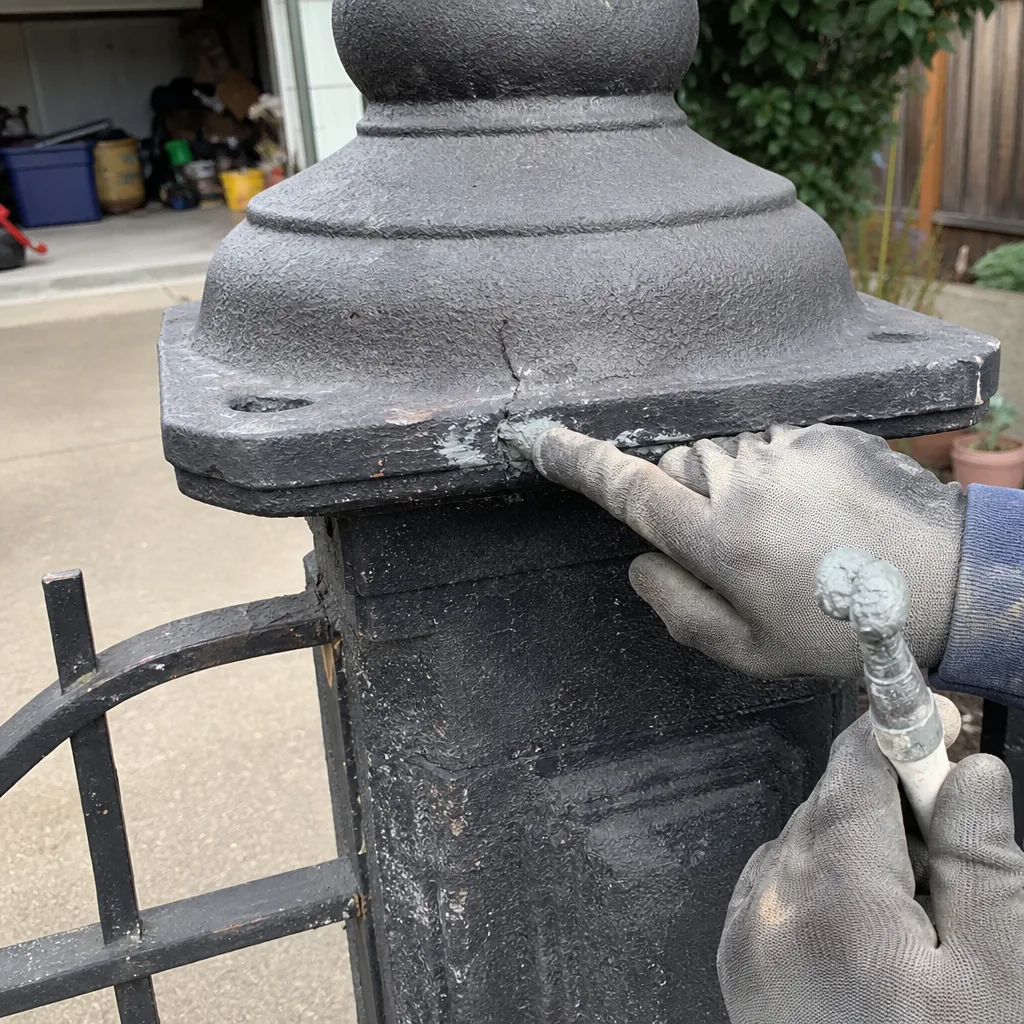
Modern gate operators communicate status through LED patterns and numeric codes. Understanding these prevents unnecessary service calls and identifies genuine faults.
Common LED Blink Patterns by Brand
| Pattern | Typical Meaning | Action |
|---|---|---|
| 1 blink, pause, repeat | Photo-eye (safety beam) interruption or misalignment | Check alignment, clean lenses, test with solid object |
| 2 blinks | Limit switch fault or travel exceeded | Do not force; requires limit recalibration |
| 3 blinks | Obstruction detected during travel (mechanical bind) | Inspect track/hinges; if clear, motor may be stalling |
| 4 blinks | Control board fault or low voltage | Measure input voltage; if nominal, board replacement likely |
| Solid red or no LED | Power supply failure, blown fuse, or board death | Check breaker, then call for diagnostic |
Blink patterns vary by manufacturer. A Linear operator uses a different sequence than a Viking or DoorKing. The manual for your specific model is definitive; if the manual is lost, the model number (usually on a label inside the control box) lets us pull the correct documentation before dispatch.
Error Codes on Digital Displays
Higher-end operators (FAAC, BFT, some LiftMaster commercial units) display numeric codes:
- E01 or 01: Motor overcurrent. Mechanical bind or failed start capacitor.
- E02 or 02: Encoder fault. The position-sensing system has lost reference. Common in operators with magnetic or optical encoders after water intrusion.
- E03 or 03: Thermal shutdown. Motor overheated from repeated stall cycles. Allow 30 minutes cooling; if recurs, find the cause before resetting.
- E04 or 04: Low battery (battery-backup systems). In Berkeley’s PG&E outage-prone areas, battery-backup operators are increasingly common. Battery replacement every 3-5 years is normal maintenance.
Gate Works Manually But Not Remotely
This specific failure pattern narrows the fault dramatically:
- Check the wired wall button. If the button works, the motor and mechanical systems are intact. The fault is in the radio receiver, remote transmitter, or antenna system.
- Test with a second remote. If one remote fails and another works, replace the failing remote’s battery or the remote itself.
- Check for LED activity on the receiver board when remote is pressed. No LED suggests receiver failure or antenna disconnection. LED without motor response suggests receiver output relay failure.
- Consider interference sources. New Wi-Fi equipment, LED light fixtures, or solar panel inverters can emit noise in the 300-400 MHz band used by many operators. In Berkeley’s dense neighborhoods, we’ve traced interference to specific neighbor installations.
Under The Haven Standard, we document the LED pattern or error code photographically before clearing it. That record becomes baseline for future diagnostics.
How to Photograph and Document a Warning Sign for Your Technician
Warning signs often behave intermittently. The grinding that happened Tuesday morning may not recur during the service call Thursday afternoon. Documentation bridges that gap.
What to Capture
- The overall gate in context. Stand back 10 feet. Show the gate, posts, and surrounding terrain. This reveals slope, clearance, and obvious structural issues.
- The specific symptom location. Close-up of the crack, rust bloom, or damaged component. Include a ruler, coin, or familiar object for scale.
- The control panel LED or display. Photograph the pattern while it’s active. Video is better for blinking sequences; a 10-second clip captures the full pattern.
- The motor nameplate. Model, serial, and date code. This determines parts availability and known service bulletins.
- The gate in both open and closed positions. Compare post alignment, gap consistency, and any visible sag or twist between positions.
How to Share It
Text or email the photos before the technician arrives. At Vance Gate Repair Berkeley, our Gate Repair services team reviews documentation during dispatch planning. If your photos show a specific Viking operator with a known encoder issue, we pack the encoder module. If they show hinge-plate cracks on a 1970s Berkeley iron gate, we pack welding equipment and matching steel stock. This reduces return visits, which is why Clause 4 (Evidence on every job) includes the homeowner’s pre-visit documentation in the permanent record.
Date-stamp everything. Intermittent faults often correlate with weather, time of day, or recent landscape work. “Grinding started after the gardener trimmed the hedge” is diagnostic gold.
Berkeley-Specific Factors: Climate, Terrain, and Code
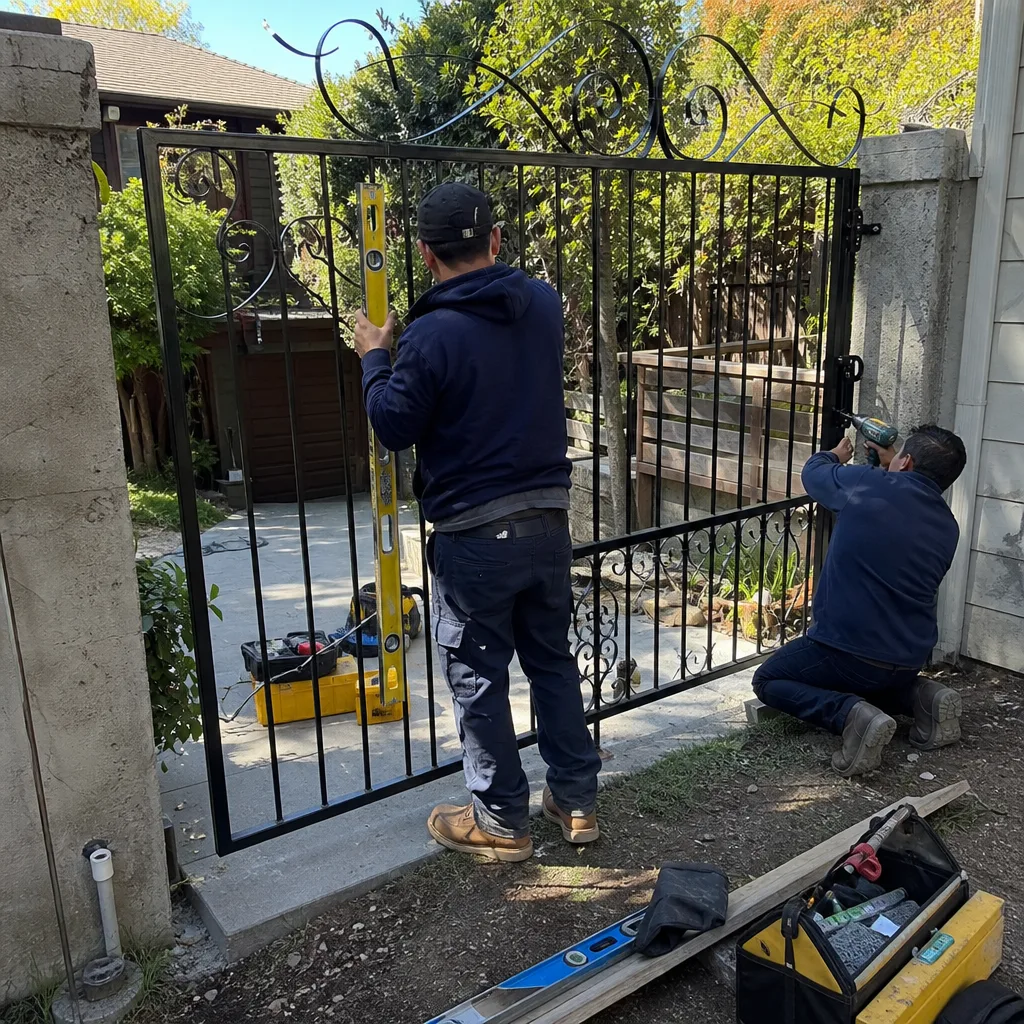
Berkeley’s geography and regulations create conditions that gate owners elsewhere don’t face. Understanding these contextualizes the warning signs above.
Marine Layer and Salt Air Corrosion
The cool, moist air flowing inland through the Golden Gate carries salt particles that accelerate corrosion of ferrous metals. Gates within 1.5 miles of the bay, including neighborhoods from the Marina through West Berkeley to Ocean View, show corrosion rates 2-3x inland rates. Aluminum and stainless steel components last longer but are not immune; galvanic corrosion at stainless-to-carbon interfaces is a specific failure mode we’ve documented repeatedly.
Hillside Soil Movement
Clay soils in the Berkeley Hills expand when wet and contract when dry. A gate post set in clay with inadequate drainage moves seasonally. We’ve measured 3/4-inch vertical post movement between October and July on properties above Grizzly Peak Boulevard. This movement:
- Changes hinge alignment, causing binding and motor overload
- Stresses weld joints cyclically, accelerating crack formation
- Alters photo-eye alignment, causing nuisance reversals
Warning sign: the gate operates smoothly after rain but binds during dry spells. This seasonal pattern points to soil movement, not component wear.
Wind Loading
Afternoon winds in the hills regularly exceed 20 mph, with gusts to 40+ during Diablo wind events. Solid-panel gates (privacy styles with no airflow gaps) experience wind loads that stress hinges, posts, and operators beyond their design limits. Warning signs include:
- Hinge bolts loosening repeatedly after tightening
- Operator arm bracket deformation
- Gate “pumping” or oscillating when partially open
Local Code and Permit Requirements
Berkeley requires permits for new gate installations and for structural modifications to existing gates; see How to Hire a Gate Repair Contractor in Berkeley: A Step-by-Step Guide for more on permitting. Repairs that do not alter the gate’s structure, operation, or safety systems typically do not require permits. However, any work on the electrical supply to the gate operator must comply with the California Electrical Code, and gate operators must meet UL 325 safety standards. We verify compliance on every repair; non-compliant installations are documented and quoted for upgrade separately from the immediate repair.
Seismic Considerations
The Hayward Fault runs through Berkeley, and seismic bracing requirements for masonry gate posts exceed those in many jurisdictions. Post-earthquake, inspect for:
- New cracks in masonry or concrete footings
- Shifted gate position relative to the latch
- Loose or backed-out anchor bolts
These are immediate-hazard conditions; ground acceleration can liquefy poorly compacted fill, and a gate post with compromised footing is unstable.
For Gate Installation in Berkeley, these same factors inform our design recommendations. For repair, they inform our diagnostic priority.
Common Mistakes to Avoid
- Assuming intermittent means insignificant. A gate that grinds “only sometimes” has a component at failure threshold. Intermittent faults are often the final warning before total failure. In the Elmwood, we replaced a Linear operator that the homeowner had nursed along for eight months; the intermittent stall finally burned the control board, turning a $280 capacitor job into a $1,800 operator replacement.
- Lubricating without cleaning first. Fresh grease over grit and rust creates grinding paste. Clean the hinge or track with solvent, inspect for damage, then lubricate. We see this mistake most often on DIY maintenance calls in the student-heavy Southside area, where property management companies delegate to inexperienced staff.
- Ignoring the safety reverse because “we don’t have kids.” UL 325 exists because adults, pets, and vehicles are also at risk. A failed reverse system is a liability regardless of household composition. Berkeley’s dense housing means your gate failure can affect neighbors, delivery drivers, and passersby.
- Adjusting limit switches without understanding travel geometry. The limit switch tells the operator where to stop. Misadjustment can overtravel the gate, damaging the motor, the gate structure, or whatever the gate hits. We use digital angle gauges and photograph the set position; DIY adjustment without measurement is guesswork.
- Replacing the remote before testing the receiver. A $45 remote is cheaper than a $280 receiver, but if the receiver is at fault, you’ve bought a remote you don’t need. Test with a known-good remote first, or call for diagnostic.
- Waiting for “one more quote” on an immediate hazard. If the gate is offline-worthy, it’s offline-worthy. The Haven Standard’s free second opinion applies to written estimates you already have, not to delaying necessary work. We’ve responded to emergency calls in the Berkeley Hills where the homeowner spent three days collecting quotes on a gate with failed safety reverse.
- Not documenting pre-existing conditions before landscape or construction work. Contractors damage gates regularly. Without dated photos, proving pre-existing condition versus new damage is difficult. We include pre-work documentation as standard; homeowners should do the same before any adjacent work begins.
When to Call a Professional
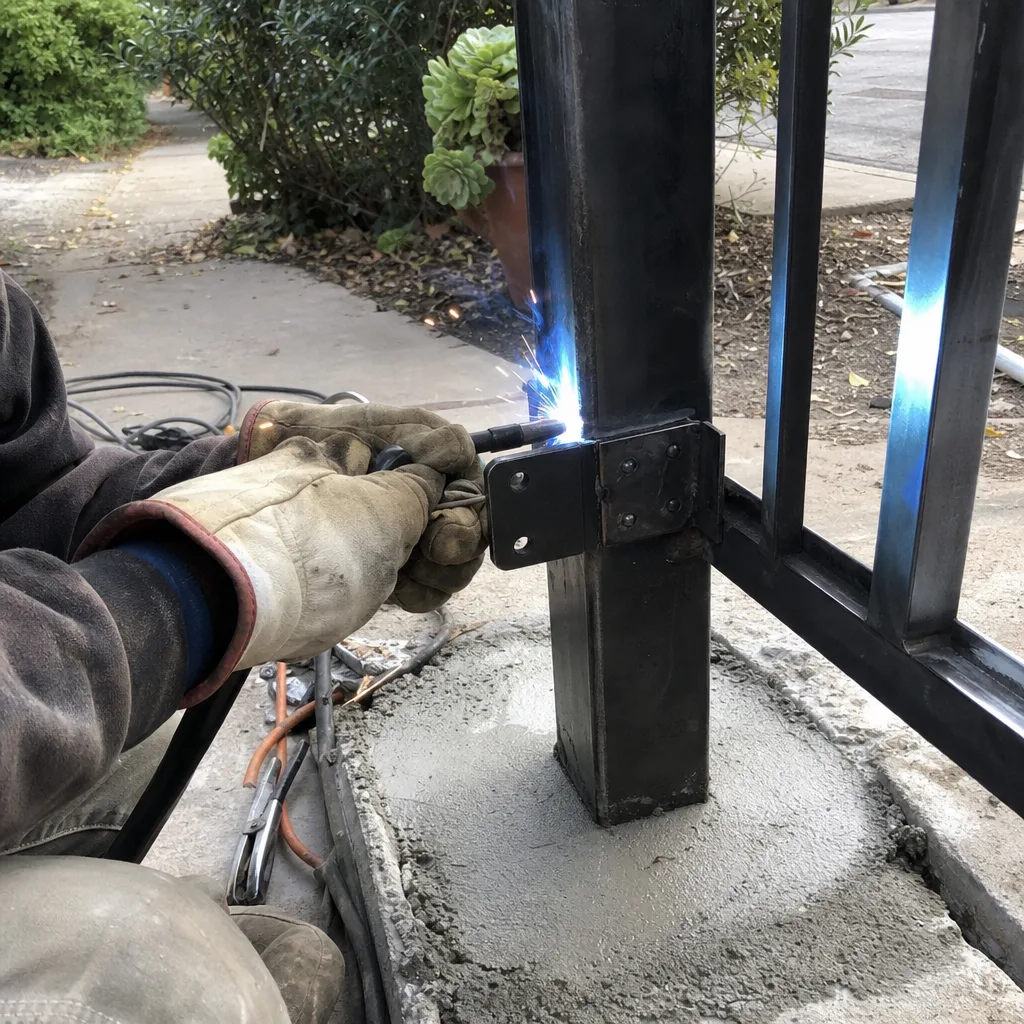
Call when a warning sign falls in the immediate-hazard category, when you’ve documented an intermittent fault that you cannot diagnose, or when planned-repair signs persist beyond two weeks. In Berkeley’s climate, degradation accelerates once visible signs appear; the marine layer and hillside conditions don’t allow indefinite deferral.
Vance Gate Repair Berkeley offers free estimates in Berkeley, call (510) 879-5471. A live person answers 24 hours a day, seven days a week. We’ll categorize your warning sign, quote the repair in writing before any work starts under Haven Standard Clause 1, and leave a documented photo record under Clause 4. The 365-Day Done Right Promise covers all completed work: if it’s not right, we make it right at no charge.
For motor-specific concerns, see our Gate Motor & Opener in Berkeley page. For full diagnostic and repair service, see Gate Repair in Berkeley.
Frequently Asked Questions
Most common repairs in Berkeley range from $180 for a limit-switch recalibration or photo-eye realignment to $680 for motor gearbox rebuilds or hinge-plate welding. Operator replacement runs $1,400-$2,800 depending on brand, gate weight, and whether the existing power supply and safety edges are reusable. We provide a written, itemized price before any work starts, and we offer a free second opinion on any written estimate from another company. Call (510) 879-5471 for an exact quote, estimates are free.
Same-day service is available for emergency conditions: failed safety reverse, uncommanded movement, or gate stuck open/closed creating security exposure. For non-emergency repairs, we typically schedule within 24-48 hours. A live person answers the phone at all hours to triage urgency and dispatch accordingly. Call (510) 879-5471 to discuss your situation.
A complete operator replacement includes: removal and disposal of the failed unit; installation of the new operator matched to gate weight, cycle rate, and usage pattern; programming of limit switches and safety sensitivity; integration with existing remotes, keypads, and access-control devices; testing of all safety systems per UL 325; and a documented photo record of the installation. We service nine major brands including Linear, Viking, and Ghost Controls, and we do not steer customers toward replacement when repair is viable. The written scope and price are delivered before work begins.
Yes. If the existing power supply is inadequate (common in older Berkeley homes with 15-amp circuits shared with outdoor lighting), we quote the electrical upgrade separately and clearly. Safety edges (the pressure-sensitive strips that stop the gate on contact) are tested, replaced if failed, and integrated with the operator’s control board. All electrical work complies with the California Electrical Code. The written price includes all scope items; nothing is added after agreement.
“No reason” usually means a reason the homeowner cannot see: photo-eye misalignment from post movement, limit switch drift causing overtravel detection, or wind-induced flex triggering the obstruction sensor. In Berkeley’s hills, soil movement and wind are the most common root causes. The safety system is doing its job, but it’s responding to a condition that needs correction. Diagnostic identifies whether the fix is alignment, adjustment, or component replacement. Call (510) 879-5471 to schedule.
Signs of post failure include: visible lean or twist; gate binding that worsens seasonally; fresh cracks in surrounding concrete or masonry; hinge bolts that loosen repeatedly after tightening; or the gate sitting lower relative to the latch than in previous years. In Berkeley’s clay soils, seasonal movement is normal; progressive movement is not. A post that moves 1/4 inch and returns is different from one that moves 1/4 inch and stays. We measure and photograph post position as part of our diagnostic, and we can compare to previous records if we’ve serviced the gate before.
The Bottom Line
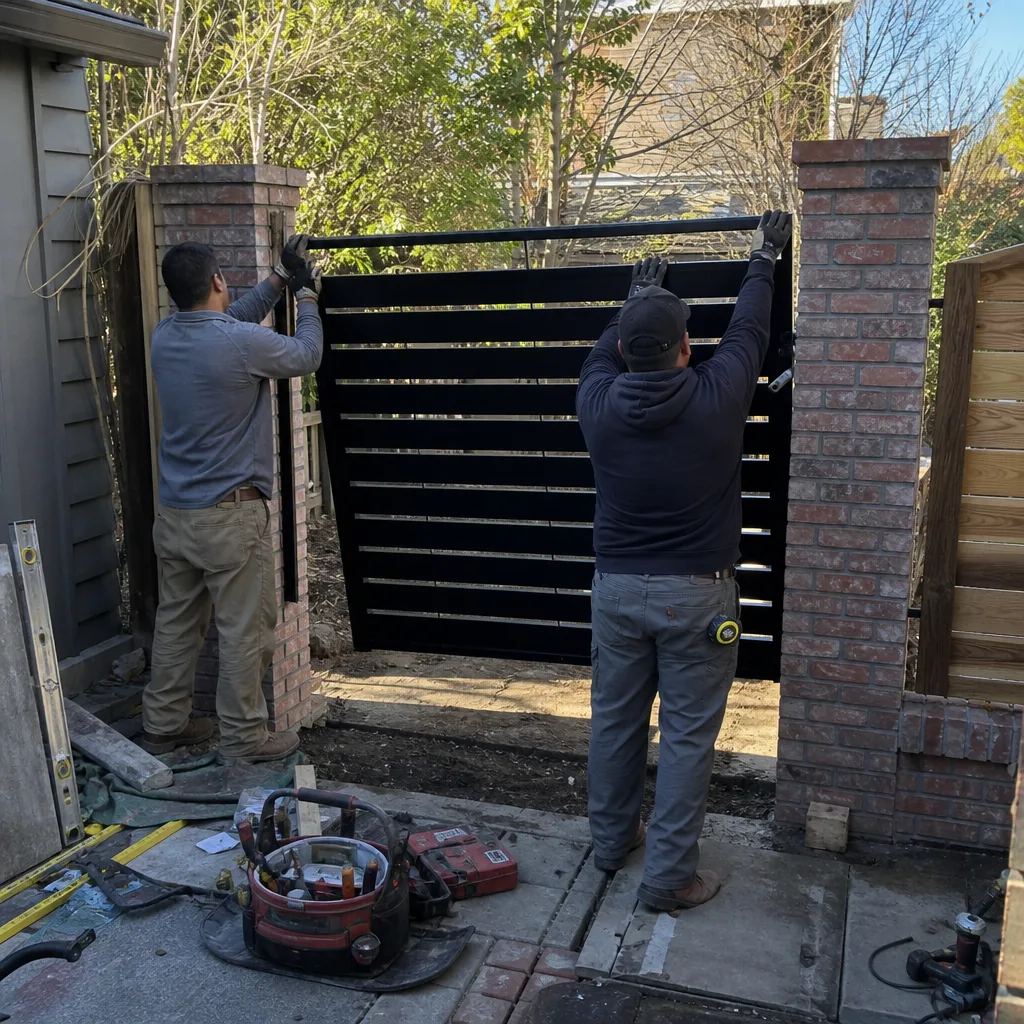
Gate warning signs sort into two categories that change your response: schedule it this month, or take it offline now. Grinding with shudder, failed safety reverse, uncommanded movement, frame twist, and weld cracks are immediate hazards. Slow operation, remote inconsistency, and cosmetic rust allow planned repair. The sounds your gate makes, the visual signs that hide in plain sight, and the control panel’s LED patterns all tell a specific story about which component is degrading and how fast. Document what you see, photograph it with scale, and share it before the technician arrives. In Berkeley’s marine climate and hillside terrain, degradation accelerates once visible, so the categorization you make today determines whether you’re scheduling maintenance or responding to failure.
Written by Adrian Vance, Owner at Vance Gate Repair Berkeley, serving Berkeley since 2014.